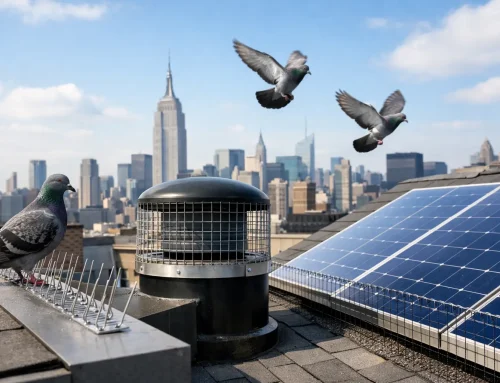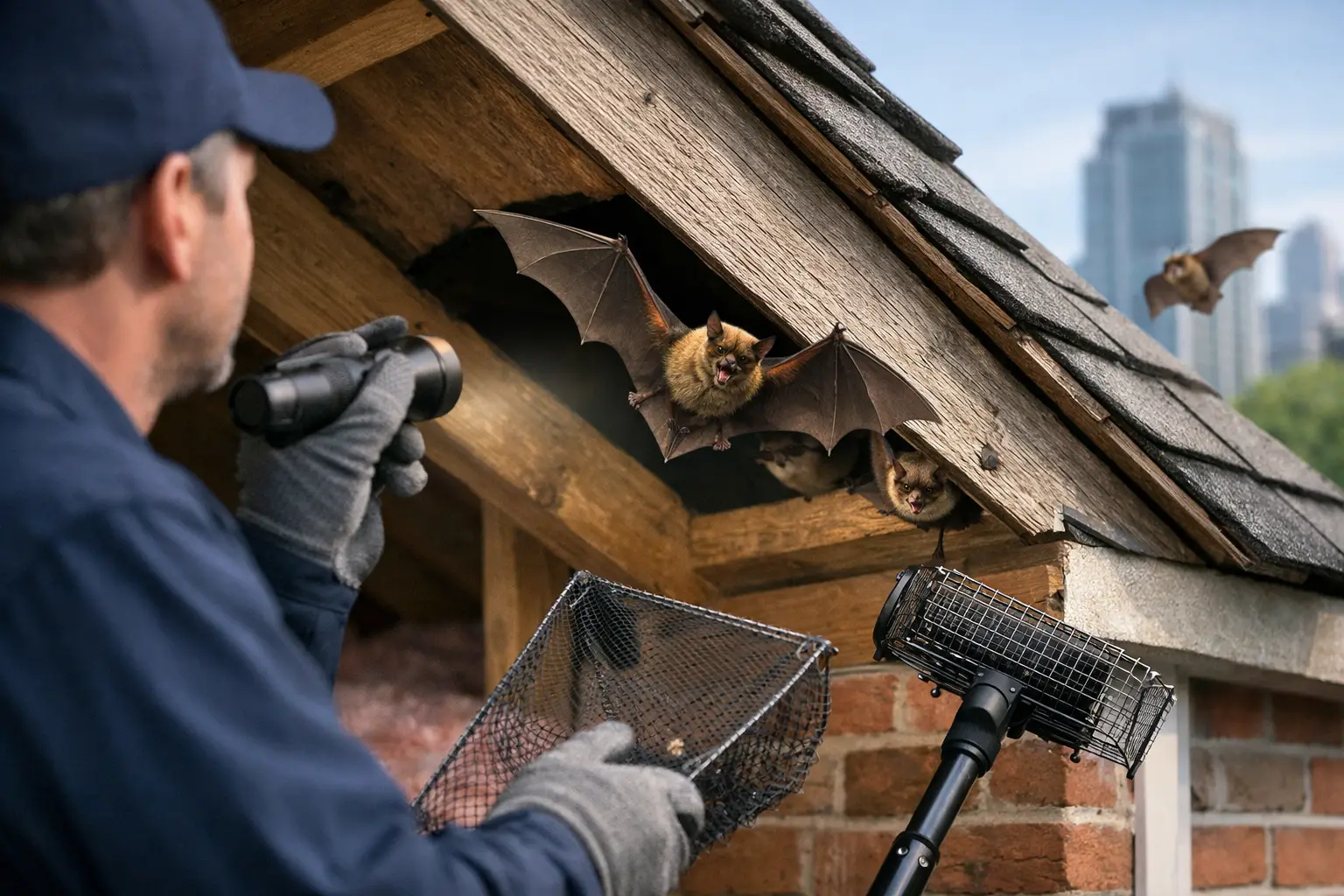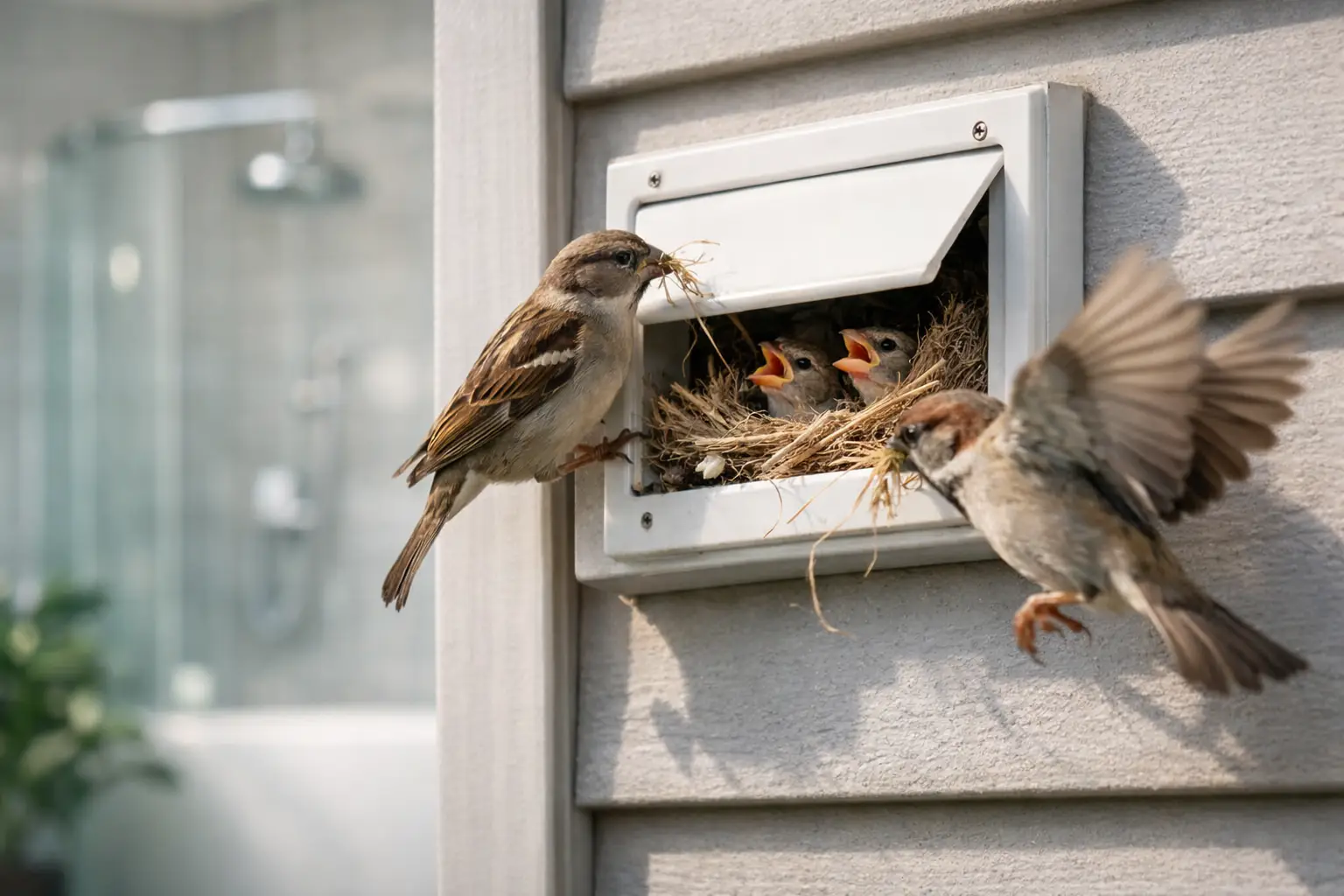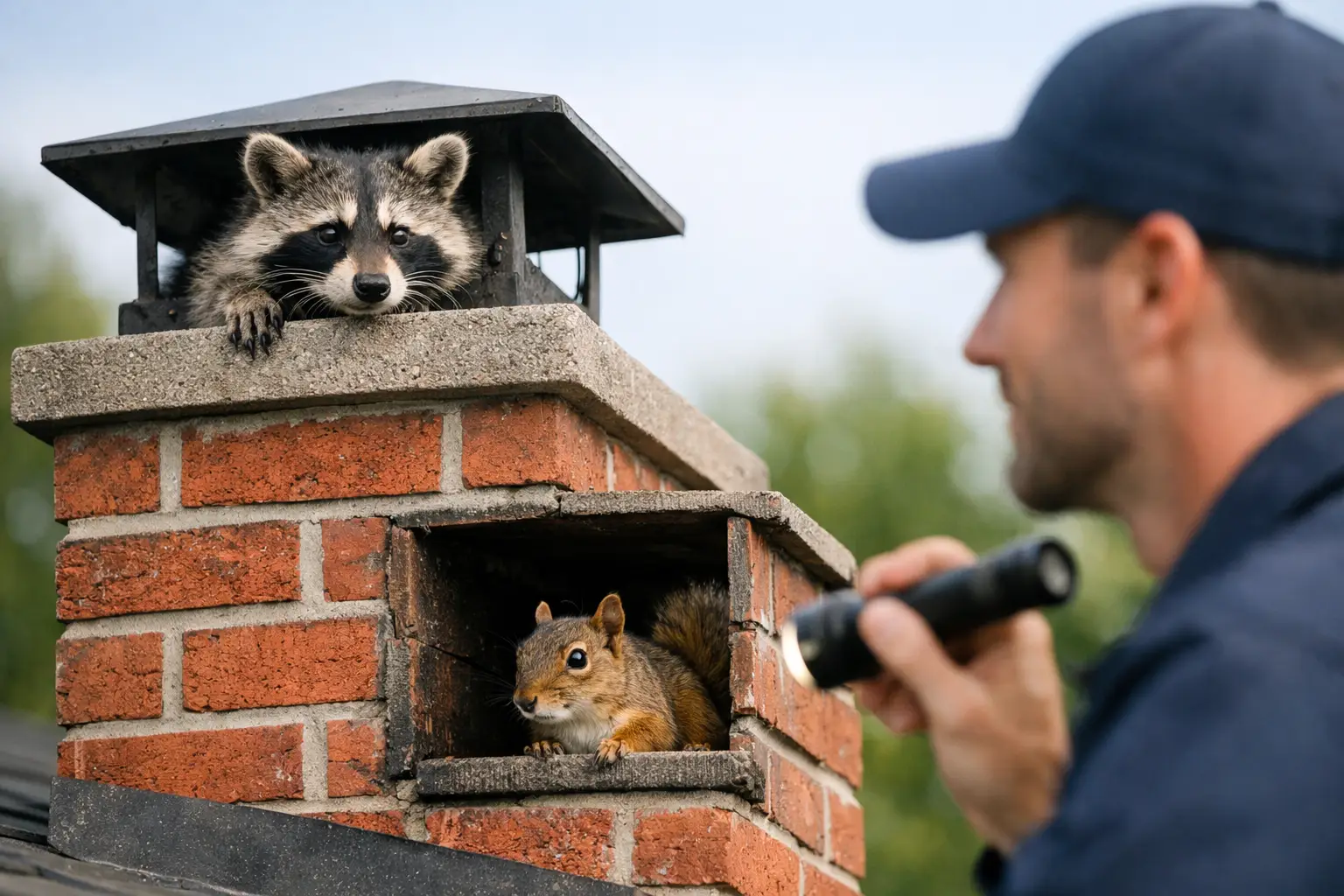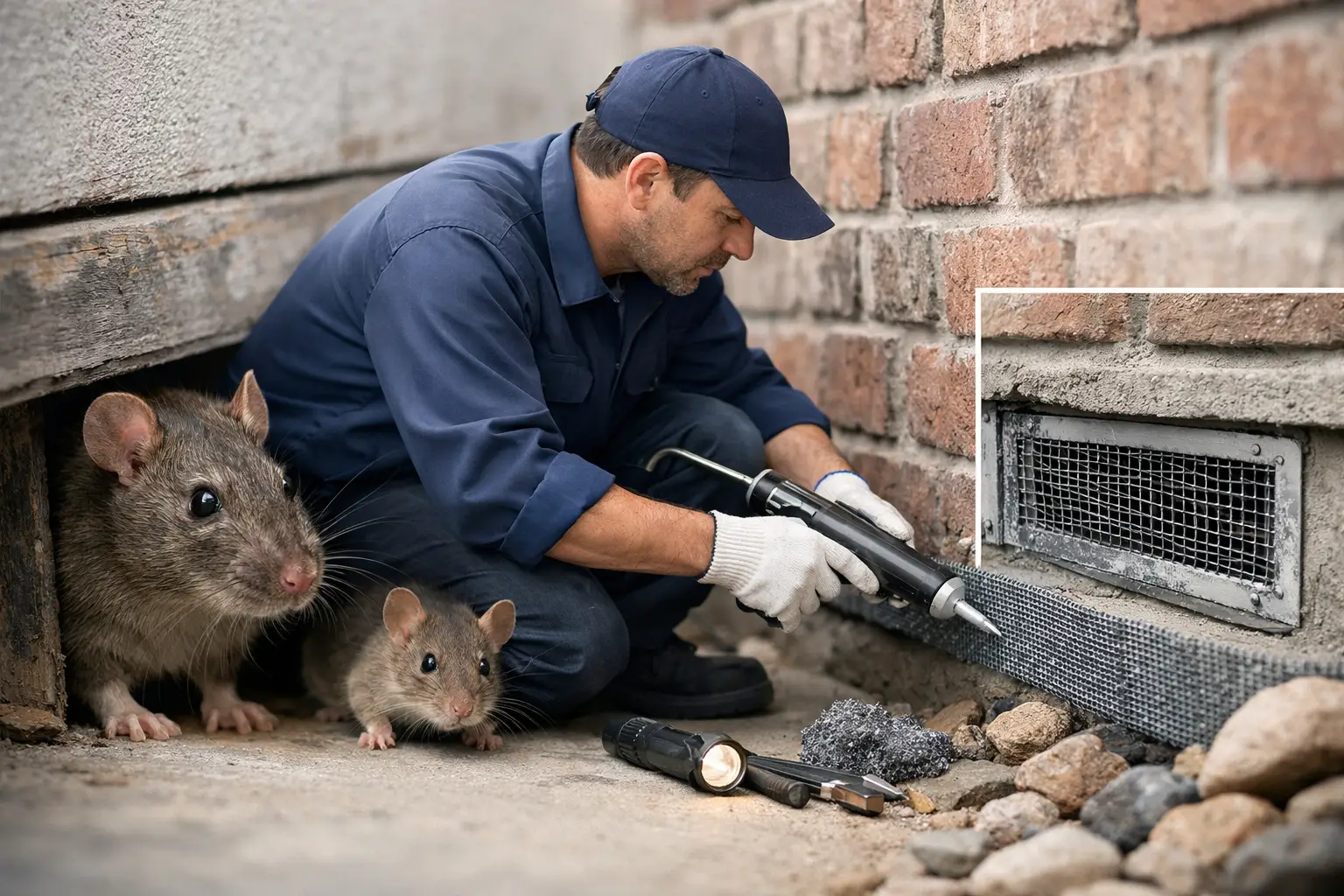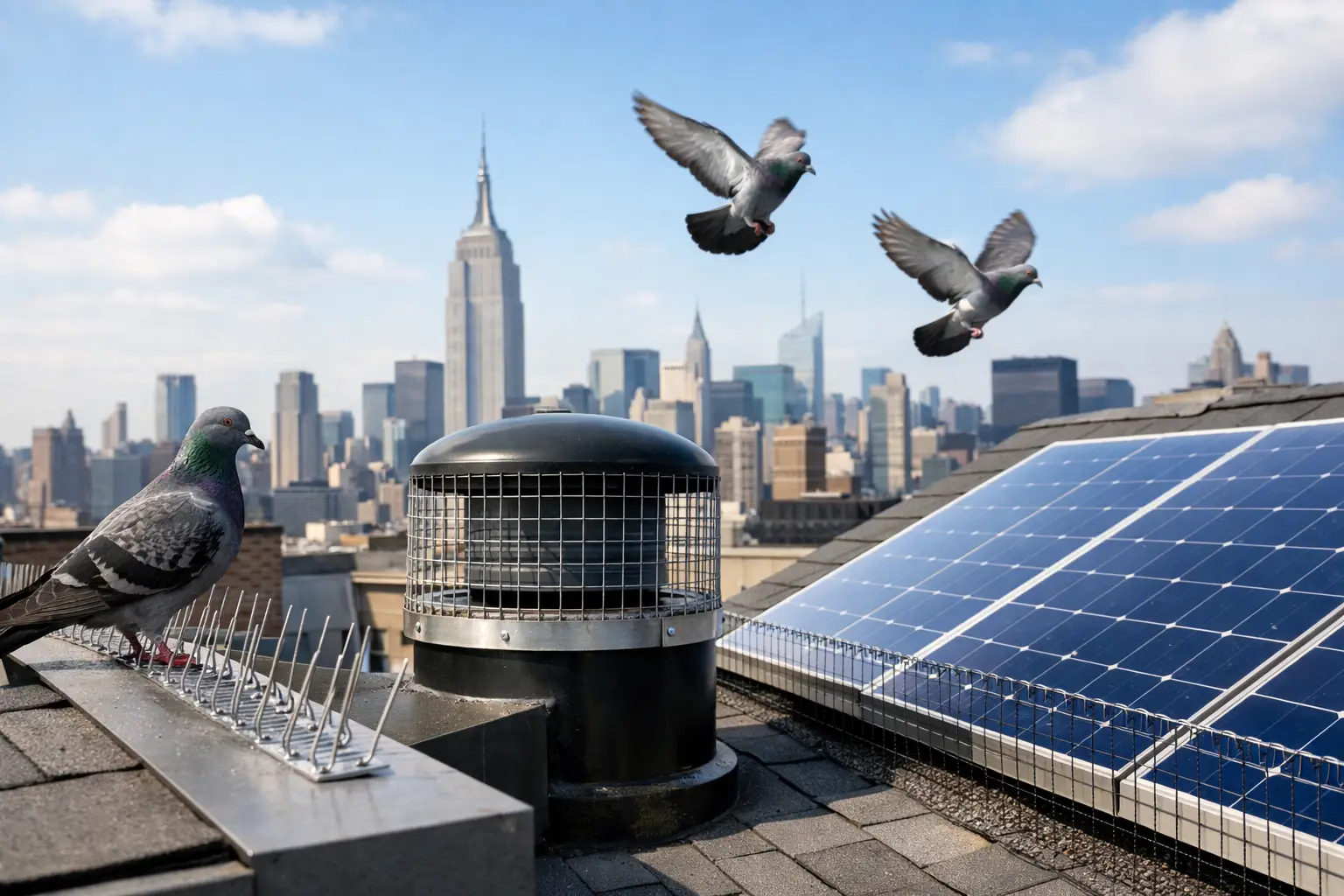
A missing or damaged chimney cap can turn an unused flue into a direct entry point for wildlife. Chimney cap installation is one of the most effective ways to stop raccoons, squirrels, birds, bats, and other nuisance animals from entering through the roof – but only when the chimney is inspected first and the right cap is installed correctly.
For NYC and New Jersey property owners, chimney problems often start quietly. You may hear scratching above the fireplace, chirping in the morning, flapping sounds in the walls, or a strong odor after an animal becomes trapped. By the time those signs are obvious, wildlife may have already built a nest, damaged the damper, or contaminated the chimney with droppings.
Why Chimneys Attract Wildlife
A chimney offers exactly what many animals seek: height, warmth, shelter from rain, and protection from predators. Open flues can attract nesting birds in spring, bats during warmer months, and squirrels or raccoons looking for a protected den site. In dense neighborhoods, roofs also provide animals with easy travel routes between trees, utility lines, adjoining buildings, and attic openings.
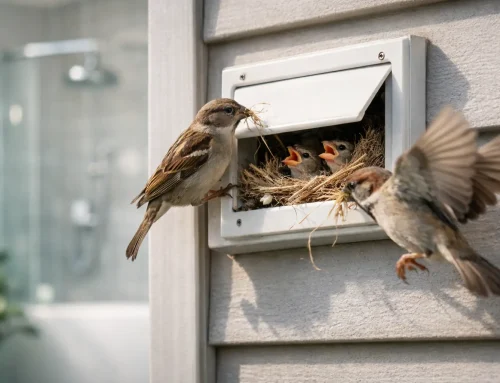
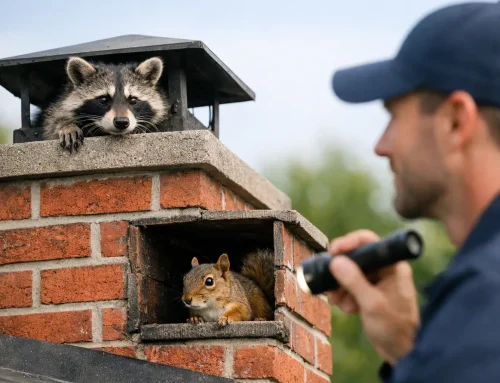
Raccoons are especially destructive chimney intruders. A female raccoon may enter an uncapped chimney to raise young, and the sounds can be alarming for people inside the building. Squirrels may use a damaged cap, loose flashing, or a gap around the chimney chase to reach the attic. Birds can build nests that block airflow, create odors, and introduce parasites.
The issue is not limited to older homes. Newer buildings can have improperly fitted caps, decorative chimney tops with unprotected side openings, or caps that have shifted after wind, snow, roof work, or storm damage.
Chimney Cap Installation Is More Than Adding a Screen
A chimney cap has to keep animals and debris out while allowing smoke, gases, and moisture to move safely through the system. That is why a one-size-fits-all screen or temporary cover is not a reliable solution. The wrong material, improper mesh size, weak mounting, or blocked flue opening can create a fire and ventilation concern.
Professional chimney cap installation begins with identifying what is actually open. Some properties have a masonry chimney with one or more flues. Others have a metal chimney chase, a gas appliance vent, or a prefabricated fireplace system. Each configuration requires an appropriate animal-proof solution.
The cap must also be secured to withstand local weather. High winds, ice, heavy rain, and rooftop vibration can loosen low-quality caps. If the cap is poorly attached, a determined raccoon can pry it loose, and birds may find access around its edges.
The Right Cap Depends on the Structure
A standard flue cap may work well for a single masonry flue, while a multi-flue cap may be needed for a chimney with several openings. Chimney chase covers often need a different style of animal exclusion to secure the full top of the structure. Gas vents and high-efficiency appliance exhausts have specific clearance and manufacturer requirements that cannot be ignored.
The goal is not simply to cover every opening. The goal is to protect the property without interfering with the safe operation of fireplaces, furnaces, boilers, water heaters, or other vented equipment.
Never Cap a Chimney Before Checking for Animals
This is where many do-it-yourself exclusions go wrong. If an animal, nest, eggs, or young are inside the chimney, sealing the opening can trap wildlife inside. That can lead to dead-animal odors, flies, stains, emergency animal removal, and in some cases animals entering the living space through the fireplace or wall voids.
Before installing a cap, a trained technician should inspect the flue and surrounding roofline for current activity. The inspection may include checking the chimney from the roof, examining the fireplace and damper area, looking for droppings or nesting materials, and identifying nearby entry points into the attic or soffits.
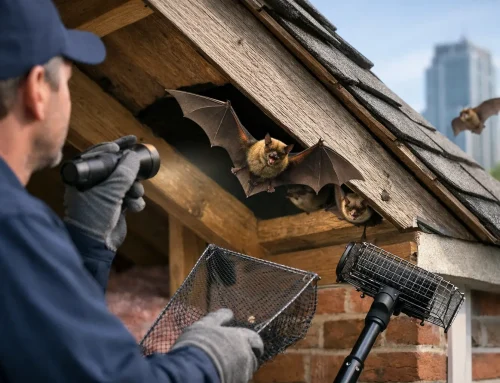
Certain species also require special handling. Bats should never be sealed into a structure, and exclusion timing may need to account for protected maternity periods. Active bird nests may be subject to legal protections depending on the species. Raccoons with young need a humane removal plan before the chimney is secured.
If you hear vocalizations, scratching, fluttering, or repeated movement from the chimney, treat it as an active wildlife issue first – not a simple repair project.
Signs Your Chimney Needs Animal-Proofing
A visual inspection from the ground may reveal a missing cap or obvious damage, but wildlife activity is often identified by sound, odor, and debris. Call for an inspection if you notice any of the following:
- Scratching, thumping, chirping, or flapping near the fireplace or upper walls
- Twigs, leaves, nesting materials, or droppings in the firebox
- A foul odor that gets worse after warm weather or rain
- A cap that is bent, rusted, tilted, loose, or completely missing
- Animals repeatedly traveling across the roof or entering near the chimney
- Smoke backing up into the room or reduced fireplace draft
Smoke problems do not always mean wildlife is present, but a blocked flue is never something to ignore. Nesting material, leaves, and animal debris can restrict airflow. Do not light a fireplace until the chimney has been evaluated and cleared.
What a Professional Chimney Wildlife Inspection Covers
A complete inspection looks beyond the cap itself. Animals rarely use only one vulnerability, and closing one opening while leaving another accessible can simply move the problem into the attic, crawl space, or wall cavities.
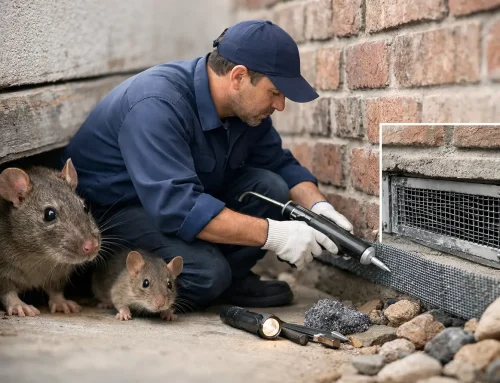
The technician should assess the cap condition, flue opening, chimney crown, chase cover, flashing, roofline gaps, attic vents, ridge vents, soffits, and nearby construction defects. Evidence of chewing, grease marks, tracks, hair, droppings, or nesting materials helps identify the species and determine the safest removal approach.
For active infestations, removal and exclusion should be coordinated. Humane trapping, one-way exclusion devices where appropriate, and site-specific removal techniques may be necessary before permanent repairs are completed. Once animals are out, the chimney can be cleaned, sanitized if needed, and secured with a properly sized cap or exclusion barrier.
Animal Control NYC & NJ provides wildlife removal and structural exclusion services for property owners who need the entire problem handled, from active animals in the chimney to cleanup and permanent entry-point repairs.
Common Chimney Cap Problems That Lead to Repeat Intrusions
A cap can be present and still fail. Rusted steel can develop holes. Lightweight mesh may bend under pressure. Gaps at the base may be large enough for birds or rodents. A cap installed over an already damaged chimney crown may loosen as the masonry deteriorates.
Another common issue is using mesh that is too large for the animal pressure at the property. A barrier designed only to stop leaves will not necessarily stop small birds, mice, or bats. On the other hand, overly restrictive screening can collect soot and debris if it is not appropriate for the venting system. Material selection and spacing matter.
Property owners should also avoid covering a chimney with plywood, plastic, foam, or makeshift wire. These temporary fixes can trap moisture, create a combustion hazard, blow loose in storms, and make professional inspection more difficult. They may also push an animal deeper into the chimney instead of removing it.
When to Schedule Chimney Cap Installation
The best time is before an animal moves in. Late winter and early spring are smart times to inspect chimney caps before birds begin nesting and raccoons search for denning sites. Fall is another critical period, as squirrels, rodents, and raccoons look for sheltered spaces before colder weather arrives.
That said, an urgent inspection is warranted any time a cap is missing, damaged, or associated with animal activity. Do not wait for nesting season to end if you suspect an active animal in the flue. Fast action can prevent attic entry, contamination, firebox damage, and costly repairs.
A properly installed chimney cap is a small exterior repair with a large protective role. When it is paired with humane wildlife removal, flue cleaning where needed, and a full inspection of nearby roof vulnerabilities, it helps keep animals outside where they belong – without creating new safety issues inside your property.