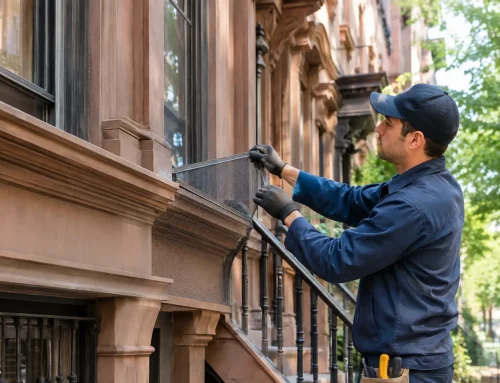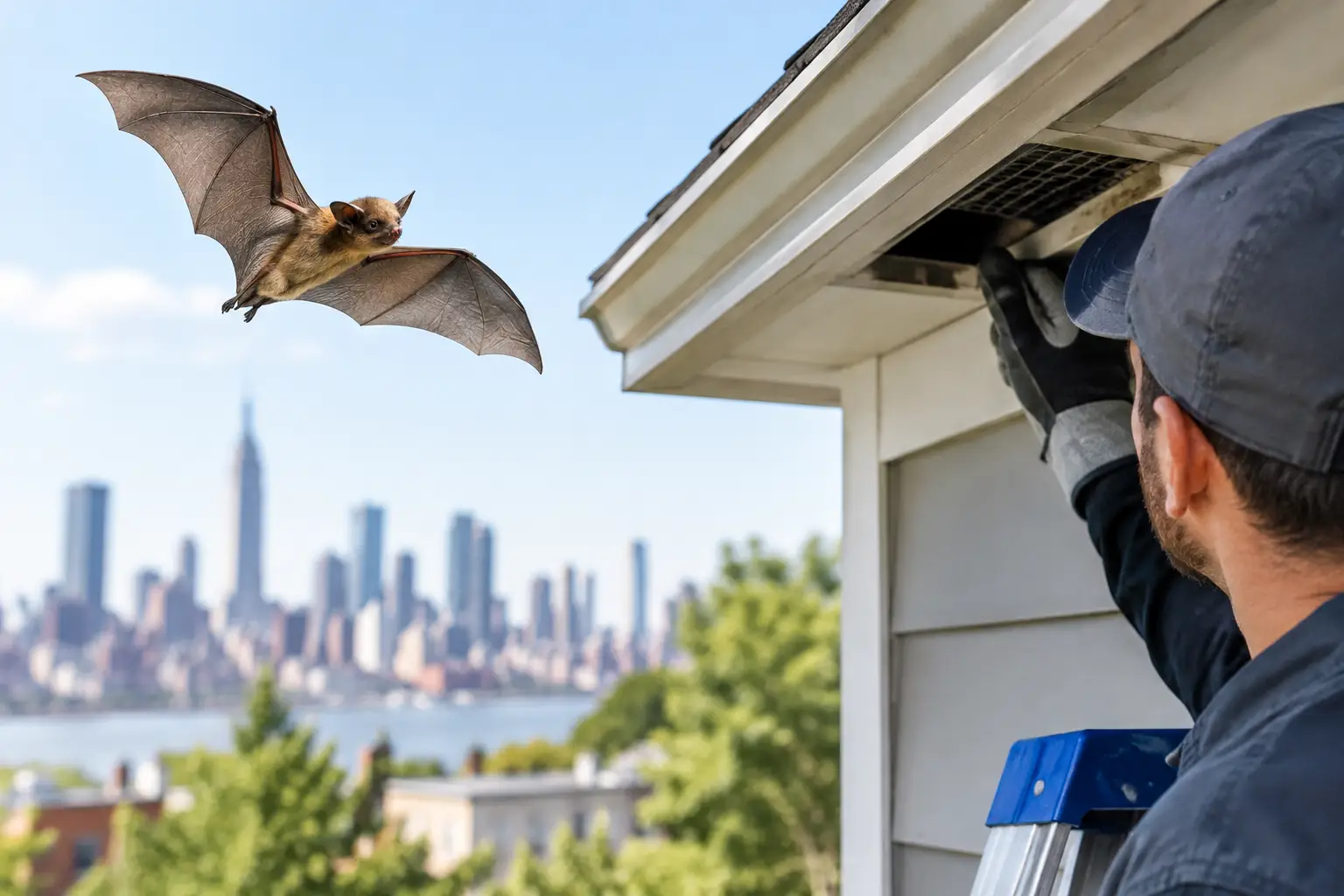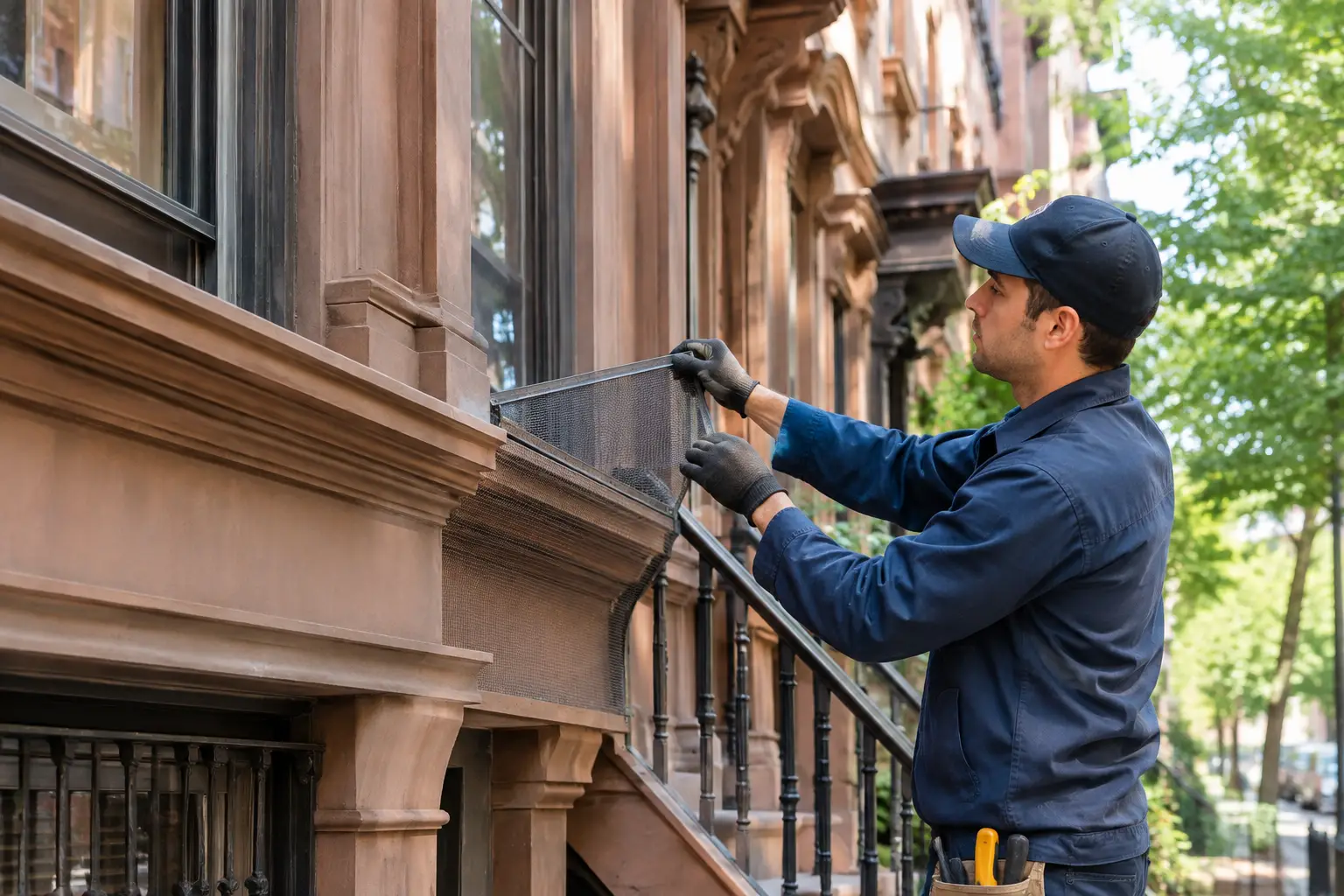
A ledge covered in droppings is not just ugly. In NYC and New Jersey, it can quickly turn into a health issue, a maintenance headache, and a tenant complaint. Choosing the best bird spikes for buildings starts with one simple fact: the right product depends on where birds are landing, how heavy the pressure is, and whether the installation is done correctly.
Bird spikes are one of the most effective bird deterrents for buildings because they block landing and roosting without trapping or injuring birds. When used on the right surface, they create an uneven landing zone that pushes pigeons and other nuisance birds to move elsewhere. But not all spikes perform the same way, and a cheap strip installed in the wrong place often fails fast.
What makes the best bird spikes for buildings?
The best bird spikes for buildings are durable, weather-resistant, sized for the landing area, and installed with full coverage. That sounds basic, but this is where many property owners get burned. They buy a low-cost strip online, place it only in the center of a ledge, and then wonder why pigeons keep landing at the edges.
A good spike system has to match the building condition. Narrow windowsills need a different layout than parapet walls, storefront signs, roof beams, light fixtures, or security cameras. In dense urban areas, birds are persistent. If there is a gap, they will find it.
Material quality matters too. Spikes sit outside year-round through heat, snow, rain, and wind. Inferior adhesive dries out. Weak plastic becomes brittle. Thin metal bends. The best systems hold their shape and stay bonded to masonry, metal, stone, wood, or other exterior surfaces.
Stainless steel vs. plastic bird spikes
For most commercial buildings, multifamily properties, and high-pressure pigeon areas, stainless steel spikes are usually the better choice. They last longer, resist corrosion, and hold up better on exposed rooflines and parapets. If you manage a building with repeated bird activity, steel is often worth the higher upfront cost because replacement cycles are longer.
Polycarbonate or plastic-base spikes still have a place. Quality plastic-base systems with stainless steel pins can work very well on visible storefronts, decorative ledges, and residential trim because the base is less noticeable. Fully plastic spikes are cheaper, but they are also more likely to crack or warp over time, especially on sun-exposed facades.
The trade-off is simple. If you want the strongest long-term option, lean toward stainless steel components. If appearance matters and the exposure is moderate, a high-quality polycarbonate base with steel spikes can be a smart fit.
Choosing spikes by building area
Not every bird problem calls for the same spike width or configuration. This is where product selection usually makes or breaks the job.
Ledges and windowsills
Standard ledges are the most common application. Narrow ledges may only need a single row, while wider sills usually need multiple rows to eliminate landing space. If the ledge is four inches wide and you only install one thin strip down the middle, birds can still perch on both sides.
For apartment buildings, office buildings, schools, and mixed-use properties, ledge coverage should be measured carefully. Full width protection is more important than buying the tallest spikes on the market.
Parapet walls and rooflines
Parapets are major pigeon hangouts because they offer elevation and visibility. These areas usually require heavier-duty spikes with stronger adhesion or mechanical fastening, especially on older masonry buildings. Wind exposure also matters here. A strip that holds on a sheltered sign may fail on a roof edge.
Rooflines often need more than spikes alone. If birds are nesting behind signage, inside rooftop mechanical areas, or under solar panels, exclusion screening may be the better solution.
Signs, beams, lights, and architectural features
Birds love letters on signs, decorative cornices, pipe runs, and light fixtures because they provide warmth and cover. These spots can be awkward, so flexible spike bases or narrower systems may work better than standard straight strips.
This is also where appearance matters. On a retail property or managed commercial facade, the best product is often the one that controls bird pressure without making the building look patched together.
The biggest installation mistakes
The best bird spikes for buildings can still fail if the installation is wrong. This happens all the time on self-installed jobs.
The first mistake is poor surface prep. Dust, grease, old droppings, and loose paint prevent proper adhesion. Bird waste also carries bacteria and should be cleaned safely before any work begins. Installing over contamination is bad for bonding and bad for health.
The second mistake is incomplete coverage. Birds do not need much room. Small open edges, corners, or spaces between strips are enough to keep a perch active. Spike placement has to follow the actual landing pattern, not just the easiest line to reach.
The third mistake is using spikes where spikes are not the answer. If birds are nesting inside cavities, under rooftop equipment, inside loading dock framing, or beneath solar arrays, spikes may only shift the problem a few feet away. In those cases, professional bird control usually involves a combination of cleanup, exclusion, and structural proofing.
What property owners in NYC and NJ should look for
Urban buildings deal with heavier pigeon pressure than many suburban properties. That changes what counts as the best option. If you own or manage property in New York City or New Jersey, you need bird spikes that can hold up under dense bird activity, grime, freeze-thaw cycles, and long exterior exposure.
Look for stainless steel pins, a UV-resistant base, and a mounting method appropriate for the surface. On porous masonry, one adhesive may work better than another. On metal coping or signage, fasteners may be preferred. Historic buildings, co-ops, warehouses, restaurants, and transit-adjacent properties all have different demands.
It also helps to think beyond the immediate ledge. If droppings have built up below, if vents are exposed, or if nesting materials are already present, the problem may be larger than a perching issue. A professional inspection can tell you whether spikes alone will solve it or whether you need a broader bird proofing plan.
When bird spikes are the right fix – and when they are not
Bird spikes are excellent for stopping perching on flat, narrow, predictable landing surfaces. They are especially effective on ledges, sills, signs, parapets, and beams where birds return day after day.
They are less effective in open cavities, deep recesses, and active nesting zones. They also do not clean existing contamination. If droppings are already heavy, sanitation should happen before or alongside deterrent work. Otherwise, you are leaving behind odor, bacteria, and an obvious sign of neglect.
That is why experienced wildlife and bird control contractors do more than sell a product. They evaluate the species, the pressure points, the contamination, and the structural vulnerabilities. In some cases, spikes are the right answer. In others, netting, screening, vent protection, or exclusion repairs are the real fix.
How to judge quality before you buy
If you are comparing products, skip the marketing language and focus on field performance. Ask how the spikes handle UV exposure, corrosion, wind, and temperature swings. Check whether the pin density is high enough to prevent birds from slipping between gaps. Look at base flexibility if the surface is curved or uneven.
Also consider service life. A lower-cost strip that fails in one season is not cheaper if you are paying for repeat cleanup, replacement, and ongoing complaints. For commercial properties and larger buildings, long-term performance usually matters more than saving a little on materials.
For building owners who want a clean, durable result, professional installation is often the better investment. Companies like Animal Control NYC & NJ handle bird issues as part of a full property protection approach, which matters when droppings, nesting, damage, and exclusion work all need to be addressed together.
The real goal is keeping birds off the structure for good
The best bird spikes for buildings are the ones that fit the exact surface, stand up to the weather, and are installed without gaps. That may mean heavy-duty stainless steel on a parapet, a lower-profile system on signage, or a broader bird control plan when perching is only part of the problem. If the building keeps attracting birds, the smartest move is to treat the cause, not just the symptom, so the cleanup crew is not back next month.