A rat seen along a basement wall or behind a restaurant dumpster is rarely the whole problem. The real decision in rat control versus exterminator services is whether you need a short-term reduction in rat activity or a complete solution for the conditions allowing rodents into your property. For homeowners, landlords, property managers, and business owners across NYC and New Jersey, that distinction affects health, tenant safety, operating costs, and how quickly the problem returns.
Rat Control Versus Exterminator: The Core Difference
An exterminator generally focuses on eliminating pests, often through traps, bait stations, rodenticides, or a combination of these methods. This can be appropriate when a confirmed rat issue is limited, access points are already secured, and a property needs a routine pest-management program.
Rat control is broader. A professional rat-control service begins by identifying the rat species, travel routes, nesting areas, food sources, moisture issues, and building openings. It then combines removal with exclusion, sanitation, monitoring, and repairs. The goal is not simply to reduce the rat population inside a building. It is to stop new rats from entering and remove the conditions that make the property attractive.
That broader approach matters in dense New York and New Jersey neighborhoods. Rats move through sewer lines, alleyways, sidewalks, utility corridors, basement foundations, trash areas, wall voids, and roof-level gaps. If an interior bait program removes a few rats but an open utility penetration remains, the infestation cycle can continue.
When an Exterminator May Be the Right Choice
A conventional exterminator can be a sensible option for ongoing preventive service. Commercial kitchens, multifamily properties, offices, and retail spaces may benefit from scheduled inspections and maintained bait stations, particularly after a larger infestation has been resolved.
Extermination may also fit a straightforward situation, such as a small number of rats entering a well-maintained garage where the access point is obvious and can be repaired immediately. In these cases, trapping or baiting can quickly address the active rodents while the owner corrects the vulnerability.
The trade-off is scope. Some extermination services are primarily designed to treat the rodent presence, not repair damaged insulation, remove contaminated nesting material, seal openings around pipes, or restore a soiled crawl space. Ask what happens after rats are gone. If the answer does not include an inspection of entry points and contamination, you may need additional contractors to finish the job.
When Full-Service Rat Control Is Necessary
Full-service rat control is typically the better choice when rats have been active for more than a few days, when droppings are found in living or work areas, or when activity is tied to a building defect. It is especially valuable for older homes, brownstones, apartment buildings, warehouses, restaurants, and properties with basements, crawl spaces, attics, shared utility lines, or exterior trash storage.
Rats can chew wiring, damage ductwork, tear insulation, contaminate stored goods, and spread debris through hidden spaces. Their urine and droppings can create sanitation concerns, especially around food, HVAC equipment, children’s play areas, and tenant-occupied units. Dead rats in walls or ceilings can also produce persistent odors and attract flies or other scavenging pests.
A complete program addresses the active rat issue and the property damage behind it. That often includes targeted trapping or baiting, removal of carcasses, cleanup of accessible waste, disinfection of contaminated areas, sealing of structural gaps, and recommendations for trash and landscaping changes. If rats entered through a damaged vent, foundation crack, missing screen, or utility opening, that point needs durable protection rather than a temporary patch.
Why Entry-Point Repairs Matter More Than Most People Expect
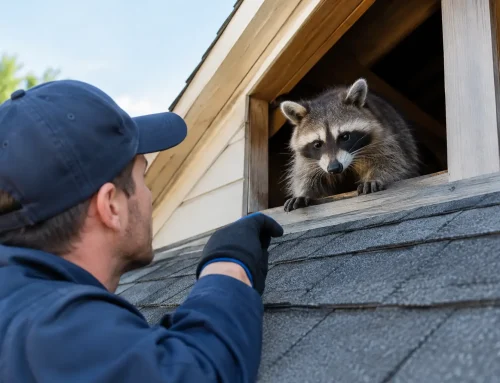
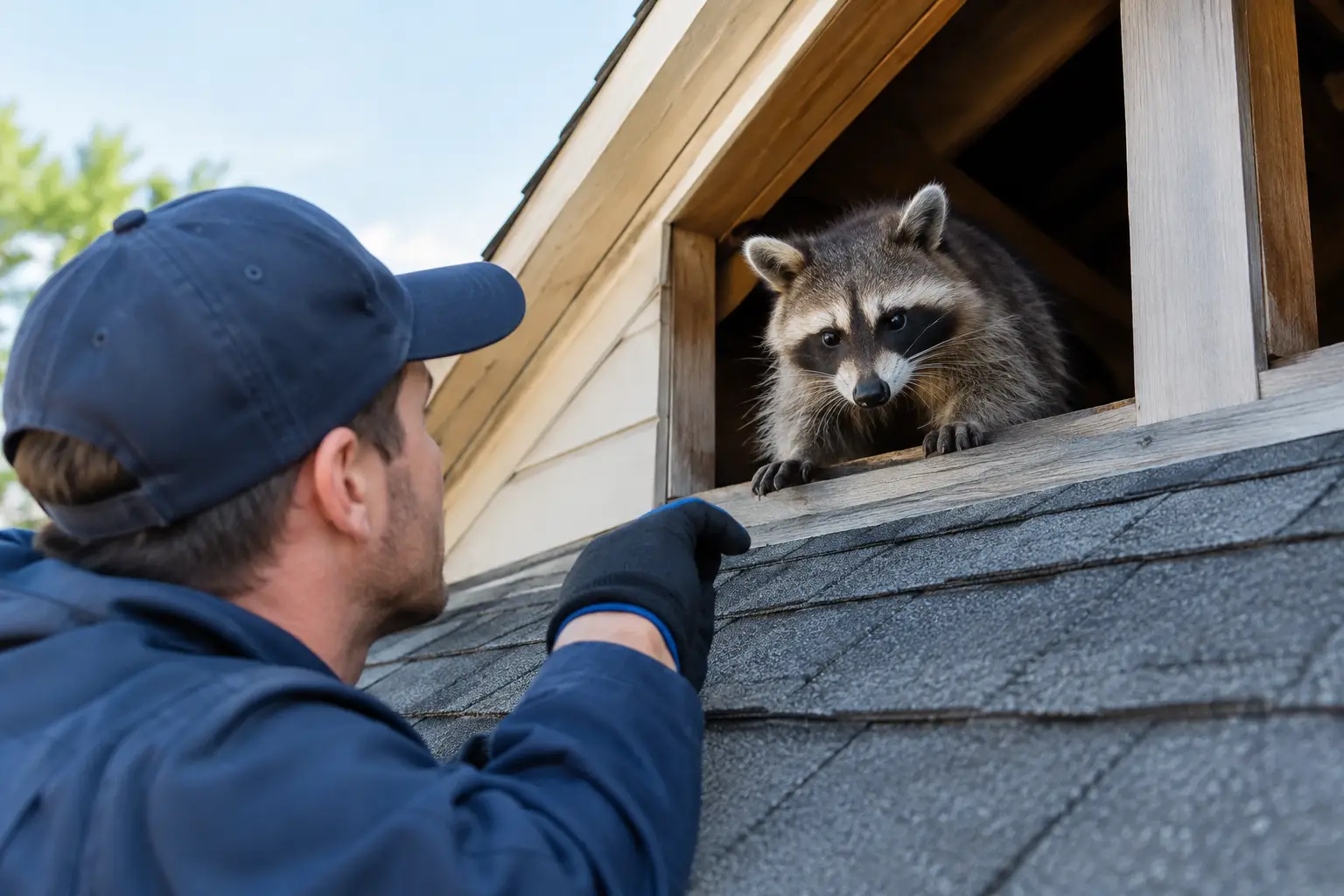
Rats do not need a wide-open door to enter a structure. They can exploit gaps around utility lines, damaged foundation vents, cracks near basement windows, openings behind cabinets, and poorly protected drain or sewer connections. In multifamily buildings, activity may begin in one unit and travel through shared walls, ceilings, boiler rooms, and pipe chases.
This is why repeated baiting can become expensive without exclusion work. You may see temporary improvement, then new droppings appear once weather changes, nearby construction disrupts nesting areas, or garbage accumulates outside. The issue is not always that treatment failed. It may be that the building remains accessible.
A qualified rat-control inspection should identify the likely entry routes and explain which repairs are urgent. Not every crack requires major construction, and no provider should promise to seal every conceivable opening without evidence. The right plan prioritizes active access points, vulnerable utility penetrations, damaged vents, and areas showing droppings, rub marks, gnawing, or tracks.
What a Professional Rat-Control Visit Should Include
A credible service starts with inspection, not a one-size-fits-all treatment. Technicians should look at interior signs, exterior conditions, lower rooflines where applicable, trash areas, foundation walls, crawl spaces, basements, and mechanical rooms. In commercial properties, loading docks, grease areas, dumpsters, storage rooms, and delivery entrances often need close attention.
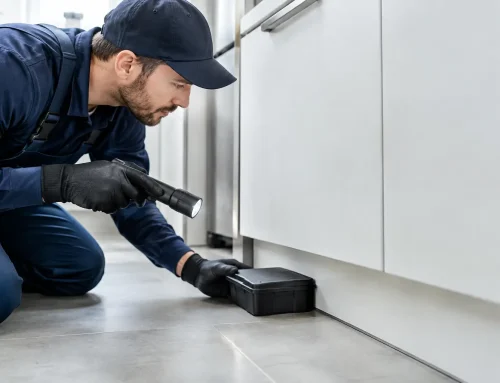
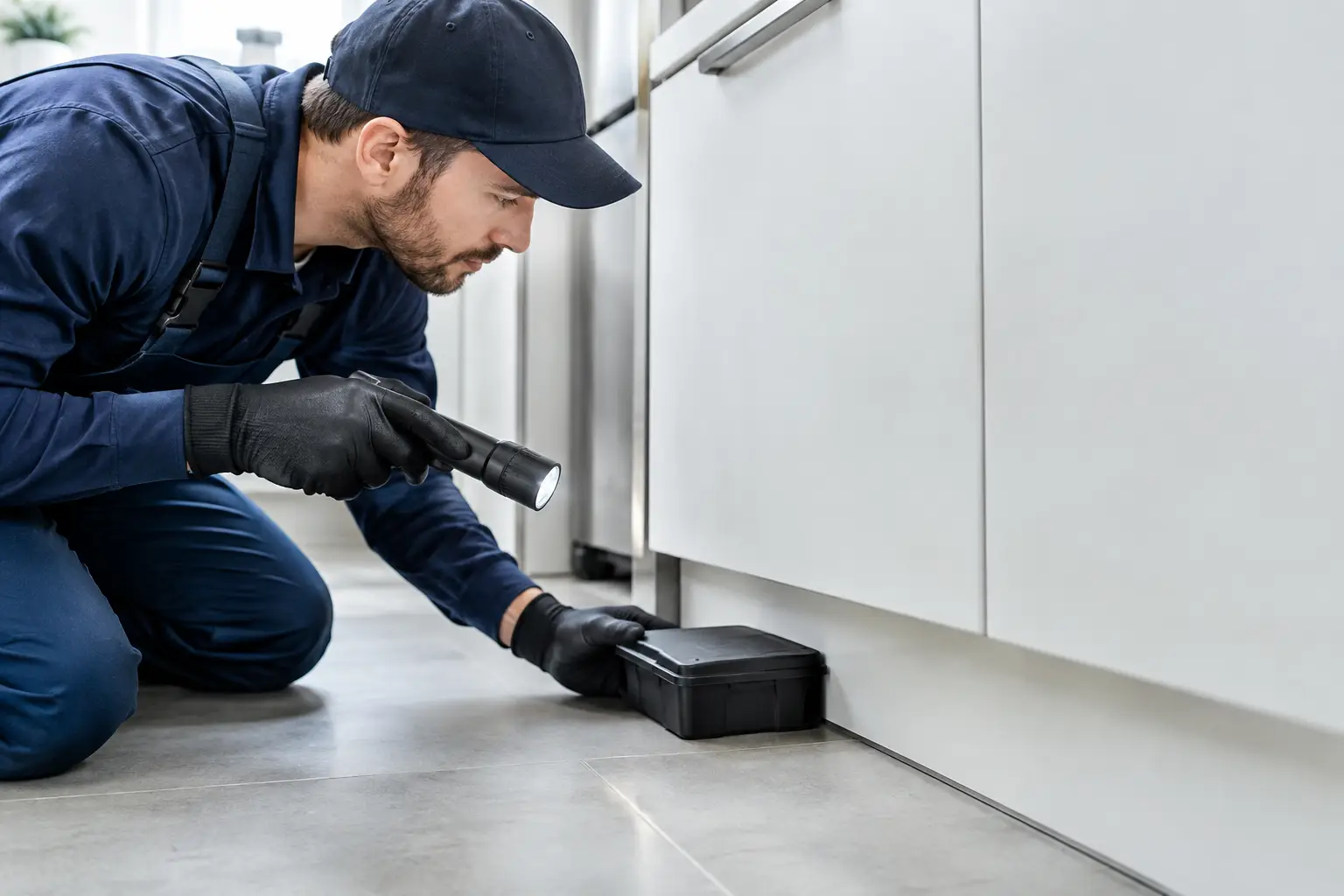
The treatment method depends on the setting. Traps may be preferred in occupied interior spaces because they allow technicians to verify removal. Secured exterior bait stations can be useful where rodent pressure is heavy, but they must be placed and maintained carefully to reduce risk to children, pets, and non-target wildlife. A professional should explain where devices are being used and why.
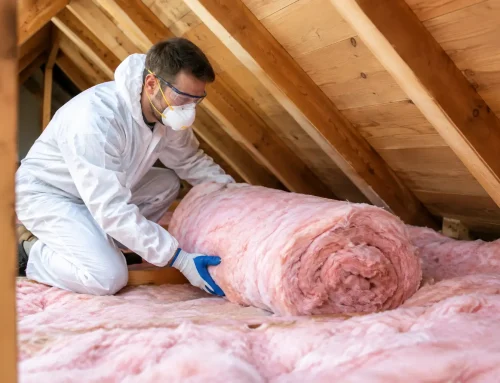
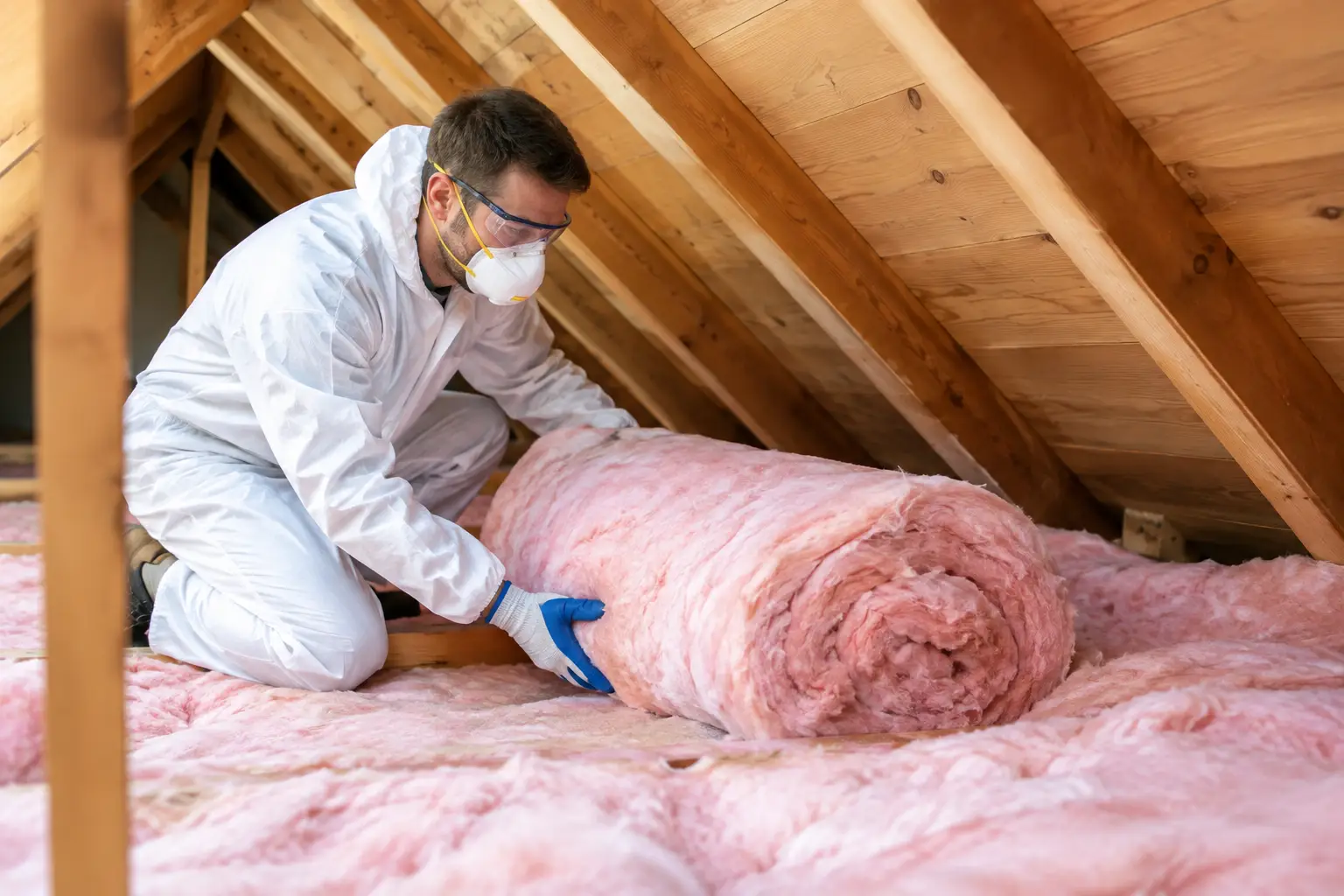
Cleanup is not an optional afterthought when substantial droppings, urine, nesting materials, or dead animals are present. Dry sweeping or vacuuming rodent waste can disturb contaminated particles. Proper cleanup involves appropriate protective procedures, removal of affected materials where necessary, and disinfection of accessible contaminated surfaces.
Finally, the service should include a follow-up plan. Rat activity is not always resolved in one visit, particularly in larger properties or locations with heavy exterior pressure. Follow-up inspections confirm whether trapping is working, identify newly discovered access routes, and determine whether sanitation or exclusion work needs adjustment.
Questions to Ask Before Hiring a Provider
Before choosing between a basic exterminator and a full rat-control company, ask whether the provider performs a detailed inspection, locates entry points, offers exclusion repairs, handles dead-animal removal, and addresses contamination. Find out whether follow-up visits are included and whether the technician will document areas of concern for a property manager or owner.
For landlords and commercial operators, also ask how the service supports compliance and tenant communication. A technician who can clearly identify the affected locations, probable sources, treatment steps, and recommended repairs gives decision-makers a practical record for maintenance teams and residents.
Price should be considered, but the lowest initial treatment cost is not always the least expensive outcome. A low-cost baiting visit followed by recurring infestations, odor problems, tenant complaints, insulation damage, and separate repair bills can cost more than a coordinated plan from the start.
Rat Problems Need Property-Specific Solutions
There is no single answer for every rat problem. A small, contained issue may only require conventional extermination and basic repairs. A recurring infestation, rodent activity in walls or ceilings, food-area contamination, or damage to building materials calls for full-service rat control with removal, sanitation, exclusion, and repairs working together.
Animal Control NYC & NJ provides professional rat-control solutions for properties that need more than a temporary reduction in activity. Fast action is especially important when rats are found near food storage, in occupied units, around electrical systems, or in areas where children and pets spend time.
If you are seeing fresh droppings, hearing movement after dark, noticing gnaw marks, or finding torn insulation, do not wait for the problem to spread through another wall or unit. Have the property inspected, secure the active entry points, and address the contamination before a manageable rat issue becomes a larger building repair.