A mouse can enter through a gap as small as a dime, and New York City buildings offer plenty of them. Cracked foundations, open utility lines, damaged door sweeps, cellar vents, and gaps behind kitchen equipment can all become access points. Effective mouse proofing NYC property is not about setting a few traps and hoping for the best. It is about finding how mice get in, removing the conditions that support them, and sealing the structure so the problem does not restart next week.
For homeowners, landlords, property managers, restaurants, offices, and multifamily buildings, speed matters. A single mouse sighting may be the first sign of a larger issue inside a wall, ceiling, crawl space, storage room, or basement. Mice reproduce quickly, contaminate food and surfaces, chew wiring and insulation, and create tenant complaints that can escalate fast.
Why NYC Buildings Are So Vulnerable to Mice
NYC has a dense mix of older brownstones, apartment buildings, row homes, commercial kitchens, warehouses, and renovated properties. Many have been modified repeatedly over decades. Every plumbing upgrade, cable installation, HVAC repair, or exterior renovation can leave a small opening that becomes a rodent entry point.
Mice also move easily between connected spaces. In an attached home or apartment building, sealing one unit may not solve the entire problem if mice are traveling through shared utility chases, basement ceilings, wall voids, trash rooms, or neighboring units. This is why property-wide inspection matters in multifamily and commercial settings.
Seasonal pressure makes the issue worse. As temperatures drop, mice look for heat, shelter, water, and dependable food. They do not need an unsanitary property to move in. A clean building with one unsealed utility opening and accessible food storage can still develop an infestation.
Mouse Proofing NYC Properties Starts With an Inspection
The right repair depends on the route mice are using. Sealing visible holes without inspecting the full structure can trap rodents inside or simply push them toward another weak point. A professional inspection identifies active entry points, likely travel routes, nesting areas, and damage that may need sanitation or repair.
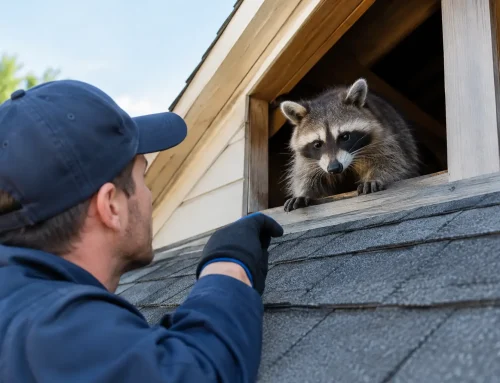
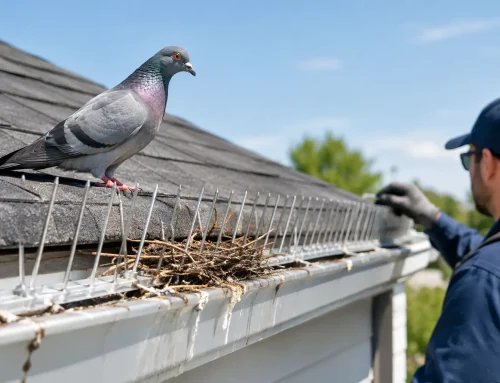
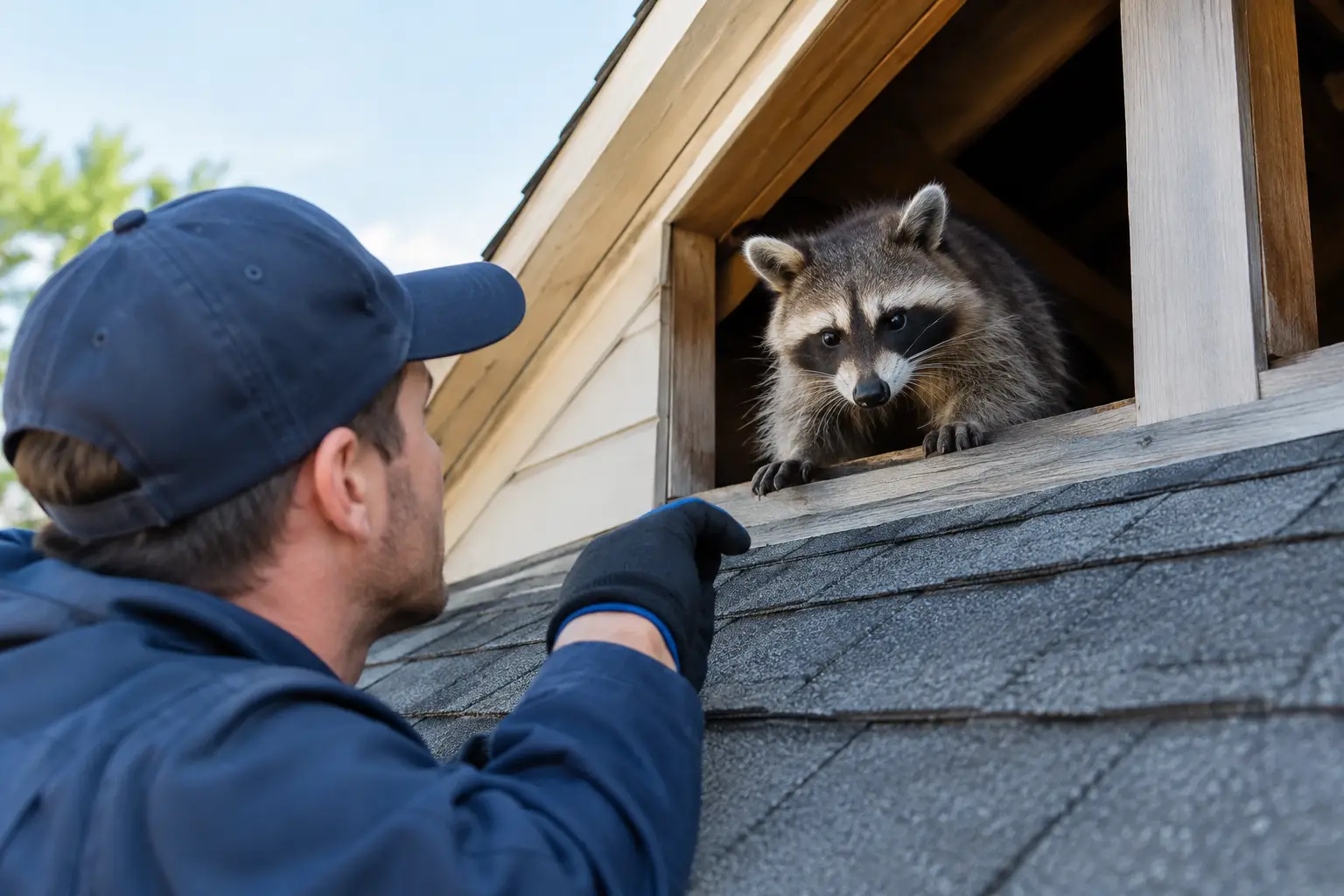
Outside, attention should go to foundation cracks, pipe penetrations, basement windows, vents, roofline gaps, garage doors, loading docks, exterior doors, and spaces around conduit. In NYC, sidewalk-level utility penetrations and gaps around meters are common trouble spots. Mice can climb, so the ground level is not the only area that matters.
Inside, evidence often appears before the animals are seen. Droppings behind appliances, gnaw marks on food packaging, shredded insulation, grease marks along baseboards, scratching in walls, and a stale odor in enclosed spaces all point to activity. Kitchens, boiler rooms, utility closets, suspended ceilings, storage areas, and basement perimeters deserve close attention.
The Difference Between Sealing and Real Exclusion
Caulk alone is rarely enough for mouse exclusion. Mice can chew through weak materials, and foam by itself is not a long-term barrier. Proper exclusion uses durable materials matched to the opening and location, such as metal mesh, hardware cloth, sheet metal, cement-based patching, reinforced door sweeps, and properly fitted vent covers.
The goal is not to cover holes cosmetically. It is to create a barrier mice cannot chew through, pull away from, or squeeze around. This work must also preserve ventilation, drainage, and building access. Blocking a vent incorrectly can create moisture problems, and closing an active route without a removal plan can leave dead rodents inside walls.
What a Complete Mouse-Proofing Plan Looks Like
A lasting plan combines population control with exclusion and sanitation. If mice are already active indoors, trapping or targeted control should happen before and during sealing. Otherwise, rodents may remain inside the structure and continue contaminating the property.
A complete approach generally includes:
- Inspection of interior and exterior entry points, signs of activity, and damaged materials.
- Removal or control of active mice using methods appropriate for the property and occupancy.
- Sealing of gaps around pipes, vents, doors, foundations, rooflines, and utility penetrations.
- Cleanup and disinfection of droppings, nesting debris, and contaminated surfaces.
- Recommendations for food storage, garbage handling, clutter reduction, and ongoing maintenance.
For a single-family home, the work may focus on a basement, garage, kitchen, attic, and exterior foundation. For a commercial property, the plan often includes receiving doors, dumpsters, mechanical rooms, storage areas, false ceilings, and employee break rooms. Restaurants and food facilities need especially careful attention because one weak back door or unsealed floor drain area can undermine the rest of the program.
Common Mistakes That Keep Mice Coming Back
The most common mistake is relying only on traps. Traps can reduce activity, but they do not close the entry point. If food, shelter, and access remain available, new mice can replace the ones removed.
Another mistake is sealing only the hole where a mouse was seen. The visible opening may be one of several routes. Mice often use hidden paths behind cabinets, under siding, through crawl spaces, and around mechanical systems. A careful inspection looks beyond the obvious gap.
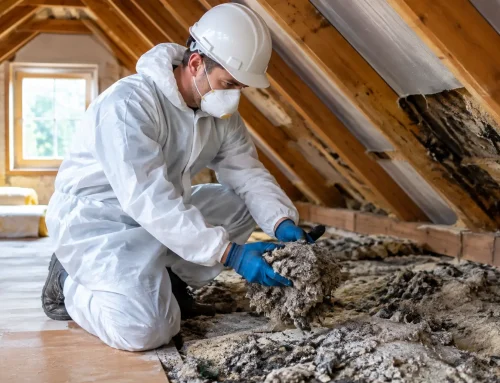
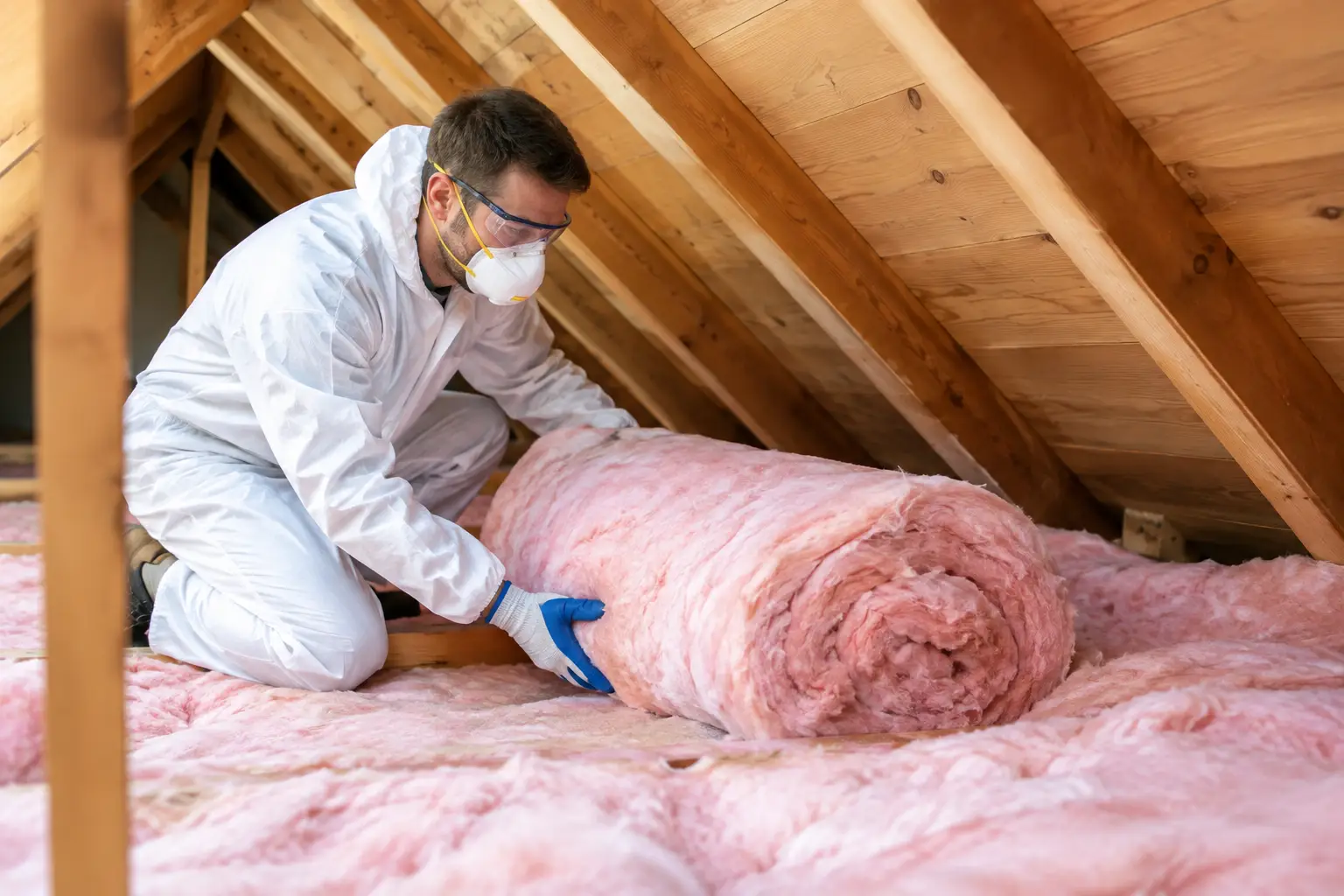
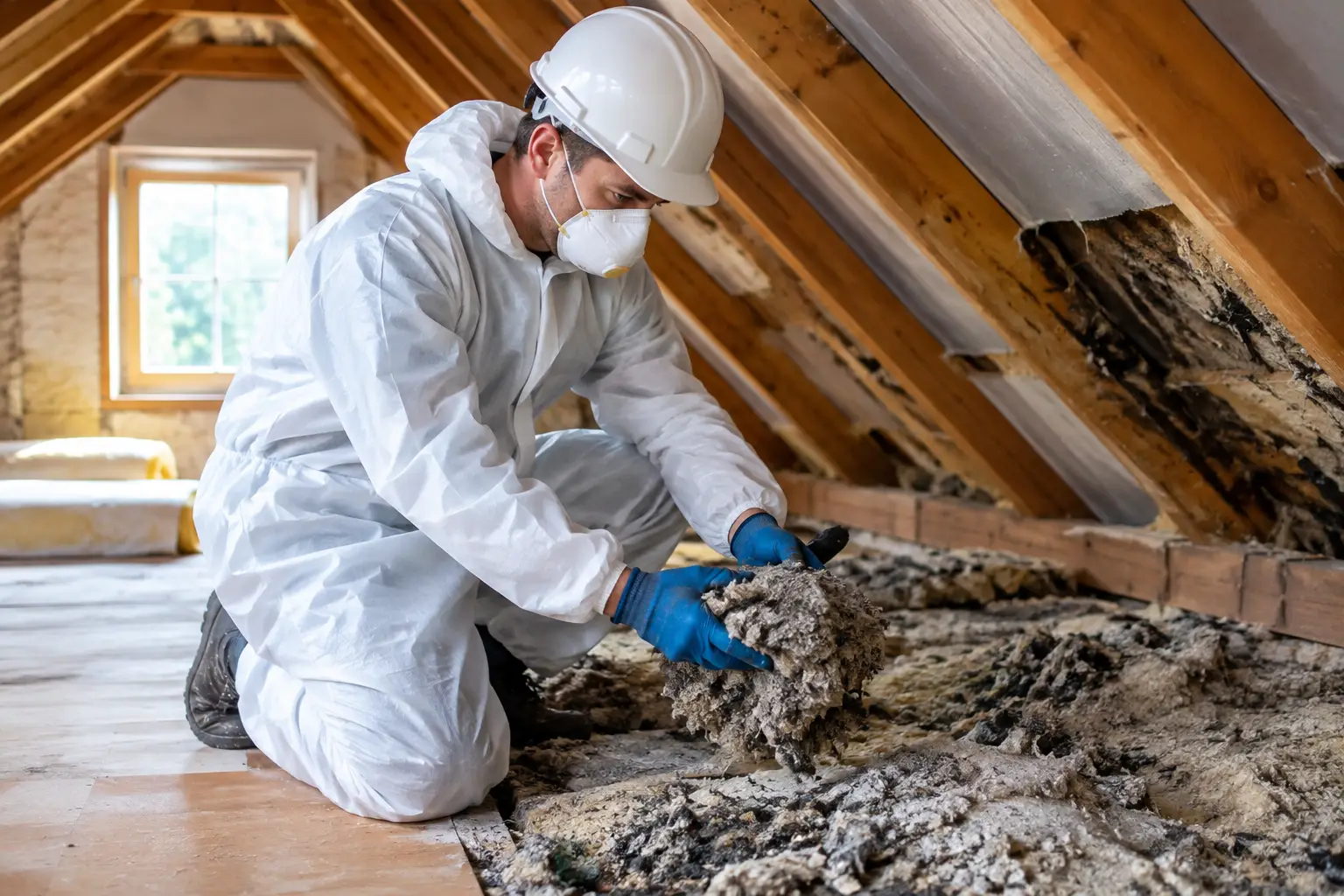
Property owners also underestimate sanitation. Mouse droppings should not be dry-swept or vacuumed with ordinary equipment because this can disturb contaminated particles. Contaminated insulation, nesting material, and heavily soiled surfaces may require professional removal and disinfection, especially in attics, crawl spaces, utility areas, and food-handling locations.
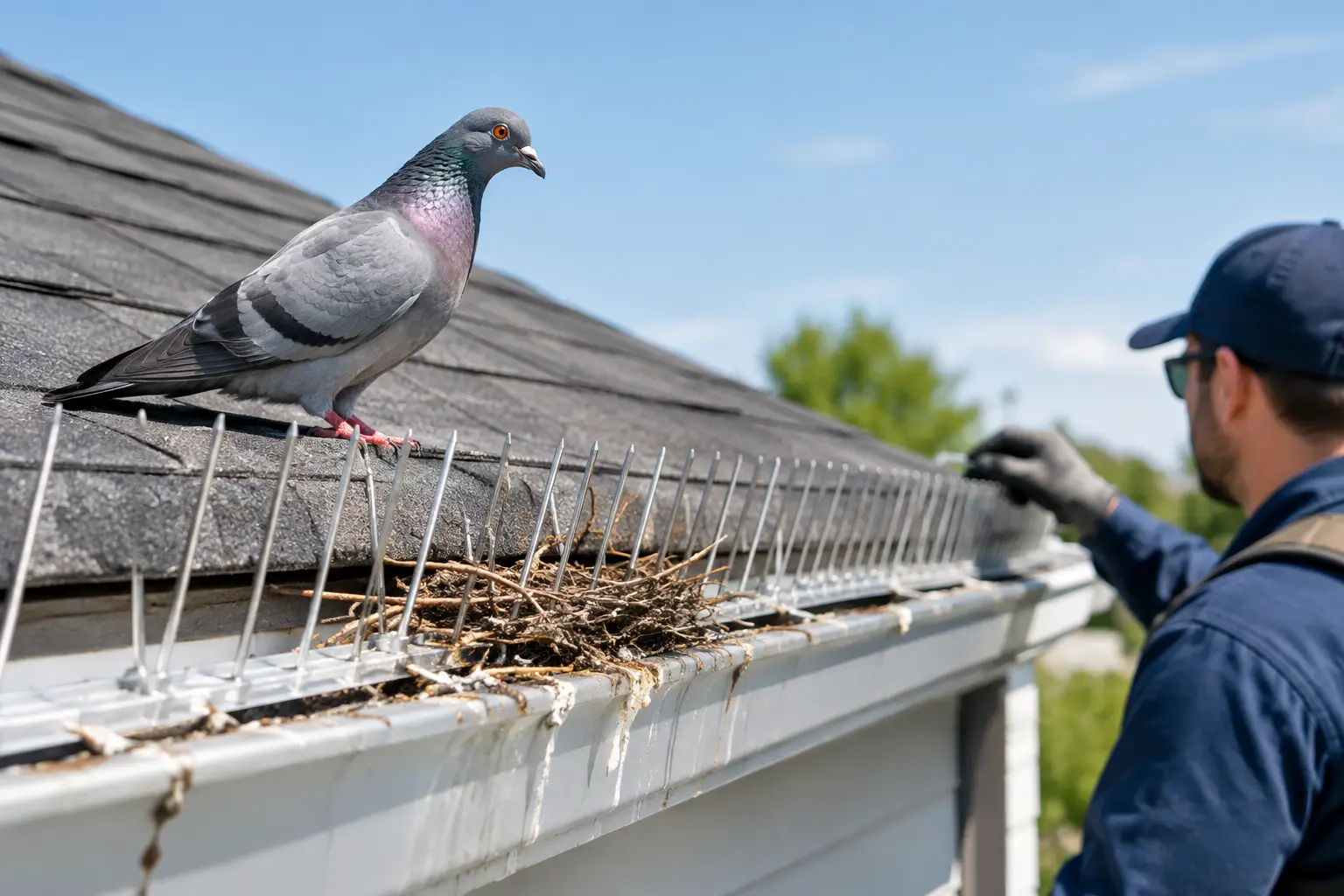
Finally, do not overlook exterior conditions. Overflowing trash, birdseed, pet food, dense vegetation against the foundation, standing water, and clutter near the building create cover and food sources. Exclusion is strongest when the property is less attractive to rodents in the first place.
When to Call a Professional for Mouse Proofing
DIY repairs can help with a small, obvious gap, but professional service is usually the better choice when there are repeated sightings, droppings in multiple rooms, noises in walls or ceilings, chewed wiring, odors, or activity in a commercial or multifamily property. These signs often mean the issue is larger than one entry point.
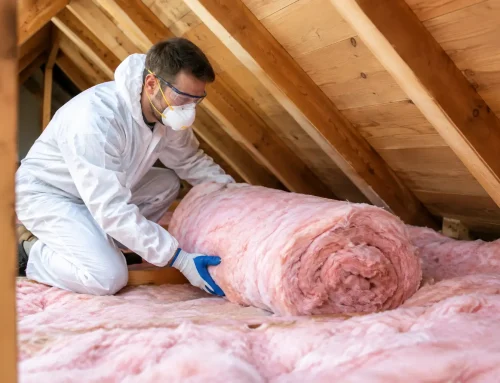
Professional help is also valuable when repairs involve roofs, crawl spaces, attic insulation, exterior vents, structural gaps, or shared building systems. Those areas require safe access and materials that will hold up against weather and rodent chewing. In occupied buildings, the work also needs to be planned to limit disruption for residents, employees, customers, and tenants.
Animal Control NYC & NJ provides inspection, humane removal, rodent exclusion, cleanup, sanitation, and damage repair for properties across New York City and New Jersey. Handling the infestation and the building vulnerabilities together prevents the cycle of removal followed by reinfestation.
Frequently Asked Questions About Mouse Proofing
How long does mouse proofing take?
A small home with limited entry points may be addressed in one visit, while larger homes, apartment buildings, and commercial facilities can require multiple phases. The timeline depends on the number of openings, active mouse activity, access to crawl spaces or roofs, and whether cleanup or repairs are needed.
Can mice return after exclusion work?
They can if new damage develops or if another section of the building remains open. Quality exclusion greatly reduces the risk, but older NYC properties benefit from periodic inspections, especially before colder weather and after construction work, storm damage, or utility repairs.
Is mouse proofing safe for children and pets?
A professional plan should account for everyone using the property. Exclusion repairs are physical barriers, while any trapping or control methods should be selected and placed with children, pets, tenants, and staff in mind. This is especially important in homes, schools, daycares, and food-service businesses.
A mouse problem rarely improves by waiting. The earlier entry points are identified and sealed, the less likely you are to face widespread contamination, damaged insulation, chewed wiring, or an ongoing cycle of complaints. Start with the structure, not just the mouse you saw.