A raccoon in an attic is not a problem to put off until the weekend. The scratching over the ceiling, heavy footsteps after dark, and torn soffit or roof vent can quickly turn into contaminated insulation, chewed wiring, and a larger opening for other wildlife. If you are searching for how to remove raccoons attic safely, the first rule is simple: do not seal the entry hole until you know every raccoon is out.
Raccoons are strong, intelligent animals that often return to the same den site. In New York City and New Jersey, attic intrusions are especially common during spring and early summer, when a female may be raising young inside the structure. A complete solution requires humane removal, confirmation that no babies remain, cleanup, and permanent exclusion work.
Why Raccoons Choose Attics
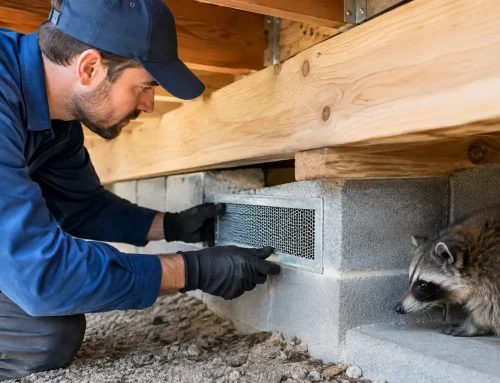
An attic provides what raccoons need most: warmth, darkness, protection from weather, and a quiet place to raise kits. They commonly enter through damaged roof returns, loose fascia boards, uncapped chimneys, attic vents, gaps at the eaves, and weakened soffits. One small construction flaw can become a large access point after a raccoon pulls, bends, or tears the material apart.
Unlike squirrels or mice, raccoons can cause significant structural damage in a single night. They may rip insulation apart to build a nest, crush ductwork, dislodge vent covers, and leave concentrated urine and droppings in one area. Their weight also makes them louder than most attic wildlife. If the sounds are heavy, slow, and most noticeable at night, raccoons are a likely cause.
How to Remove Raccoons From an Attic Without Making It Worse
The safest approach depends on whether the attic contains an adult raccoon only or a mother with dependent young. That distinction matters. Removing or blocking the adult while kits are still inside can leave animals trapped in the attic, leading to odor, noise, and a more difficult recovery.
Start with a full exterior and attic inspection
A proper inspection identifies every active and potential entry point, not just the most obvious hole. A wildlife professional checks the roofline, vents, chimney area, gutters, siding transitions, and attic interior for tracks, nesting materials, droppings, rub marks, and damaged insulation.
The inspection should also determine whether there are babies. Young raccoons may make chirping, whining, or chattering sounds, usually from one concentrated nesting location. During denning season, a one-way door is not always the right first step. The adult must not be separated from dependent kits.
Use humane removal methods suited to the situation
For an adult raccoon with no young present, a properly installed one-way exclusion door may allow the animal to leave while preventing re-entry. This method is effective only when all other access points are secured and activity is monitored. If another gap remains open, the raccoon may simply use it to return.
When a mother and kits are in the attic, humane removal often involves carefully locating and removing the young by hand, then reuniting them with the mother outside in an appropriate setup. This requires experience. Raccoons can become defensive when protecting offspring, and handling wildlife without training can result in bites, scratches, or an abandoned litter.
Trapping may be appropriate in certain circumstances, but it should be done legally and responsibly. Wildlife rules vary by location, and relocating raccoons is often restricted or ineffective. A relocated animal may not survive, while another raccoon can move into the now-vacant attic if the structure is not repaired.
Do not use harmful DIY tactics
Home remedies tend to create bigger problems. Avoid poison, smoke, mothballs, ammonia, loud music, flooding the attic, or attempting to scare a raccoon out with a broom. These methods can expose occupants to fumes, increase animal stress, create fire risks, and drive the raccoon deeper into the structure.
Do not approach a raccoon in a confined space. Raccoons may carry parasites and can transmit diseases through bites, scratches, urine, or droppings. Any raccoon acting unusually aggressive, disoriented, or active during daylight should be treated with extra caution. Keep people and pets away and call for professional help.
Seal the Attic Only After Removal Is Confirmed
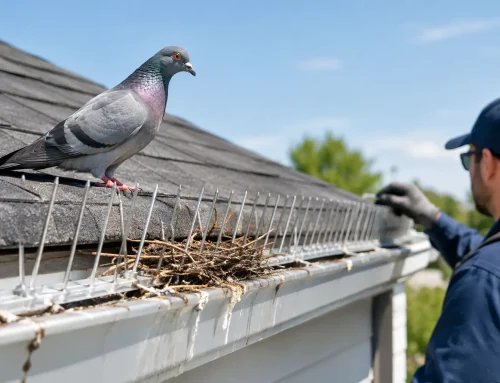
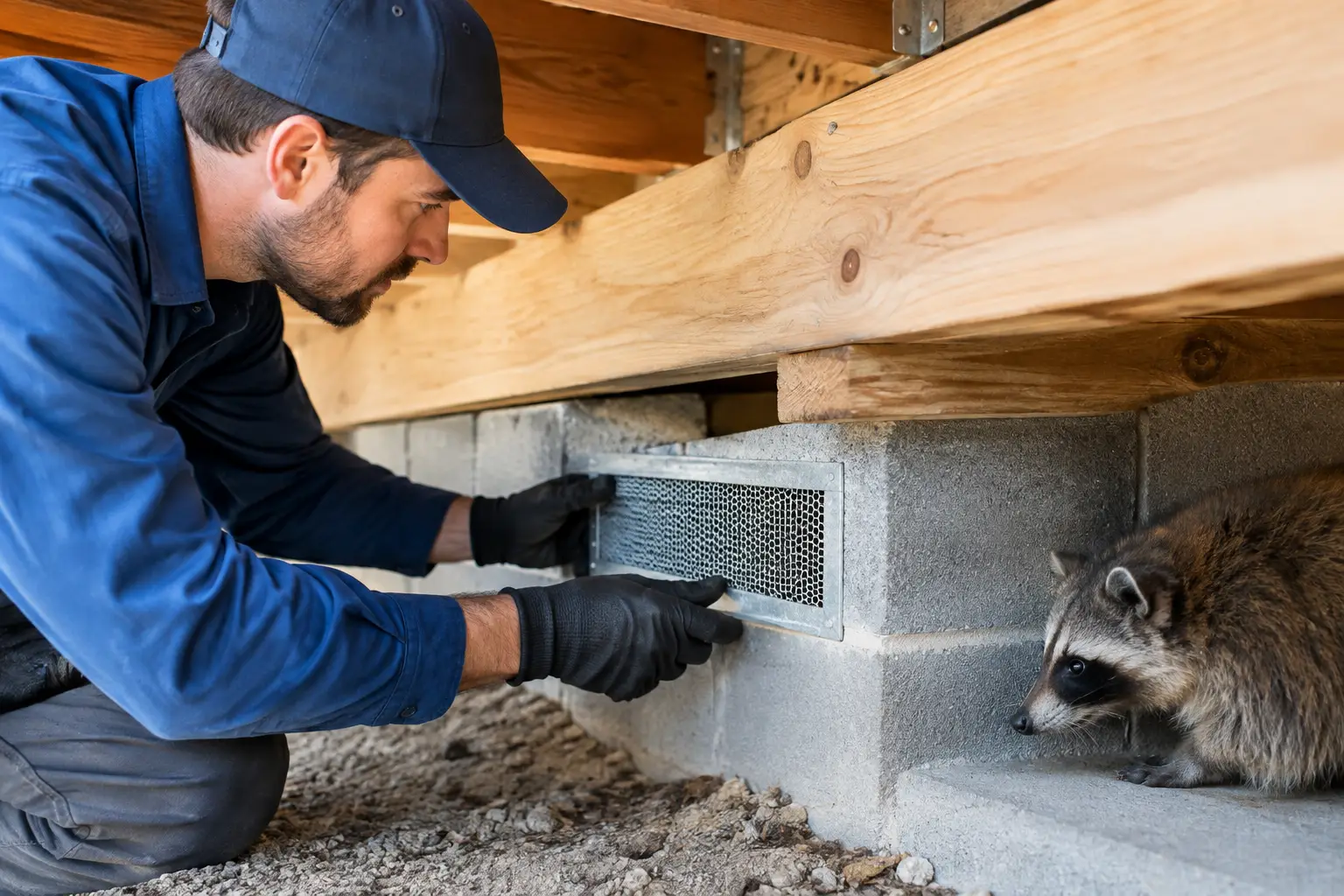
Exclusion is the step that prevents a second infestation. It should begin after removal is confirmed, not before. A professional will close primary entry points with durable materials that raccoons cannot easily pull apart, such as reinforced screening, heavy-gauge metal flashing, vent guards, and properly fastened repairs to soffits or fascia.
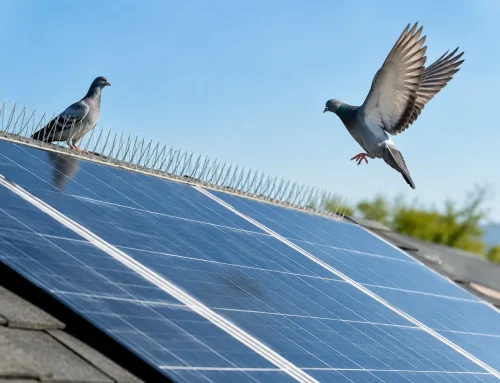
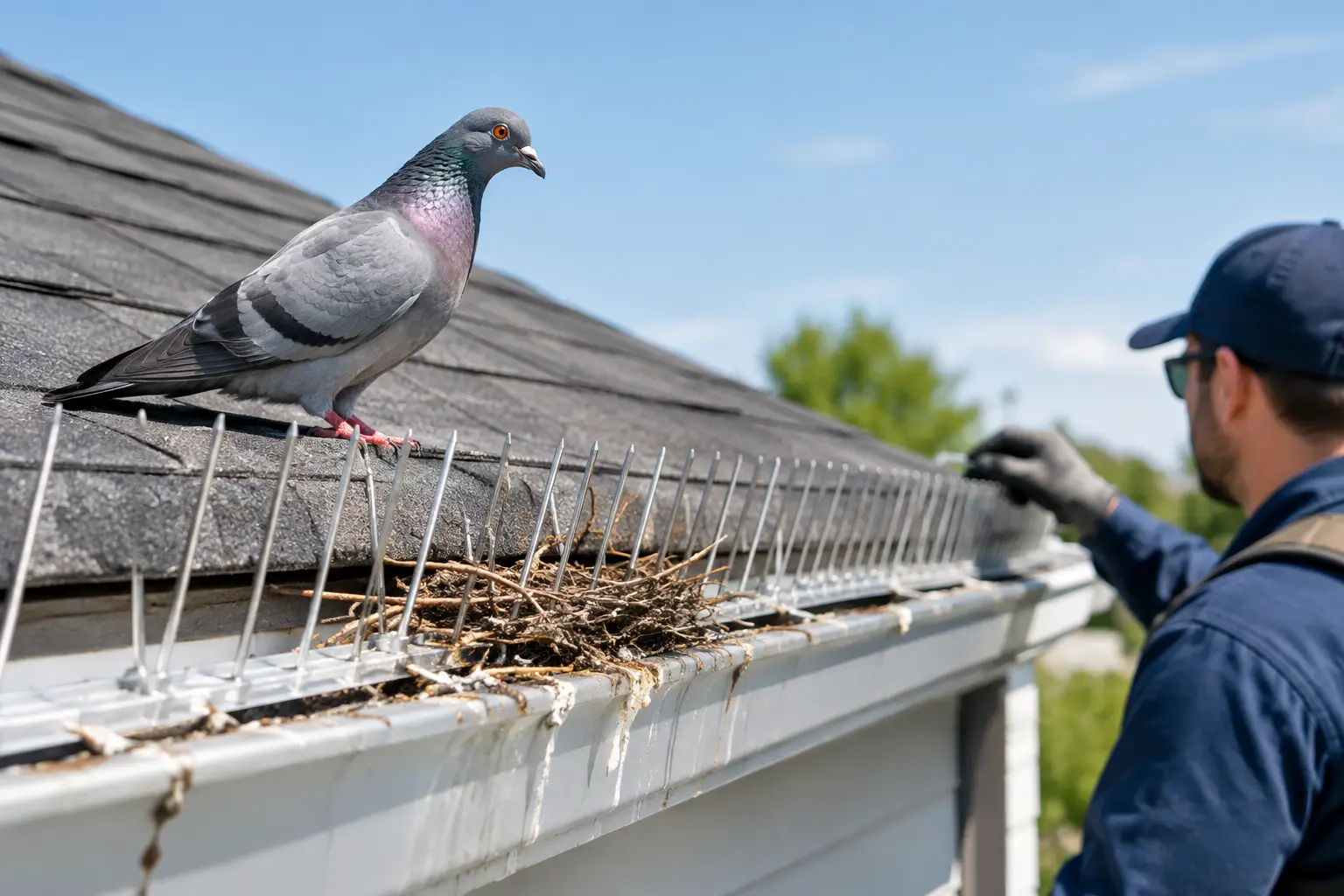
Temporary foam, light plastic mesh, or a loosely placed board is rarely enough. Raccoons have strong front paws and can exploit weak repairs quickly. In dense NYC neighborhoods and suburban New Jersey communities, properties are often close together, which gives raccoons easy roof-to-roof travel routes. Every vulnerable edge of the roofline deserves attention.
A thorough exclusion plan may include repairs to ridge vents, roof vents, chimney caps, damaged siding, gutter areas, and gaps around utility lines. Nearby tree branches should also be trimmed back where practical, although trimming alone will not solve an existing attic problem.
Cleanup Is Part of Raccoon Removal
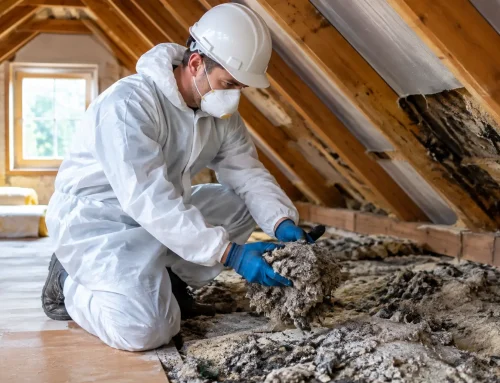
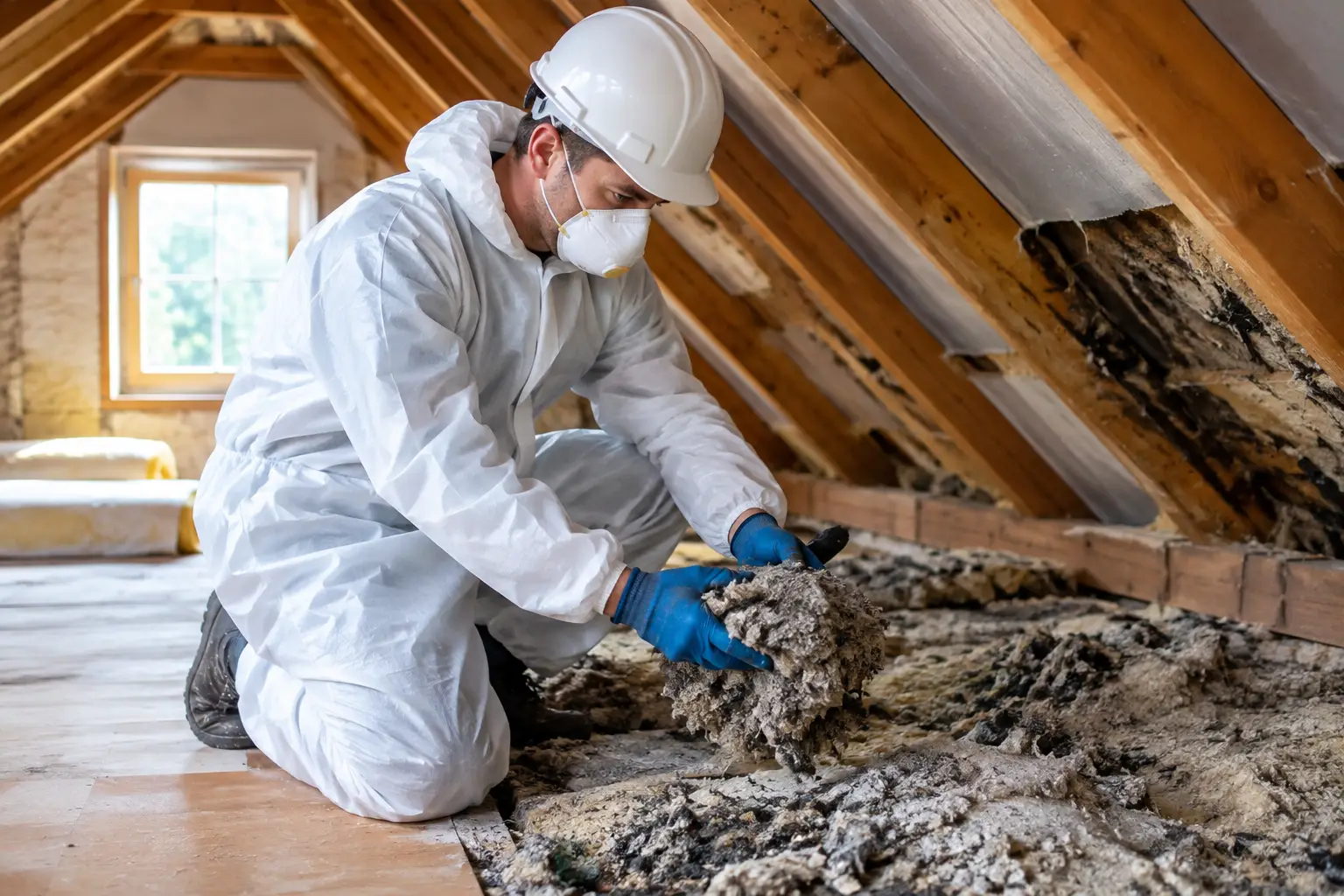
Getting the raccoon out is only half the job. Attic contamination can remain long after the noise stops. Raccoon droppings and urine can damage insulation, stain ceilings, attract insects, and create unpleasant odors. Raccoon feces may also contain roundworm eggs, which is why cleanup should not involve sweeping or vacuuming dry droppings without proper protective equipment and containment procedures.
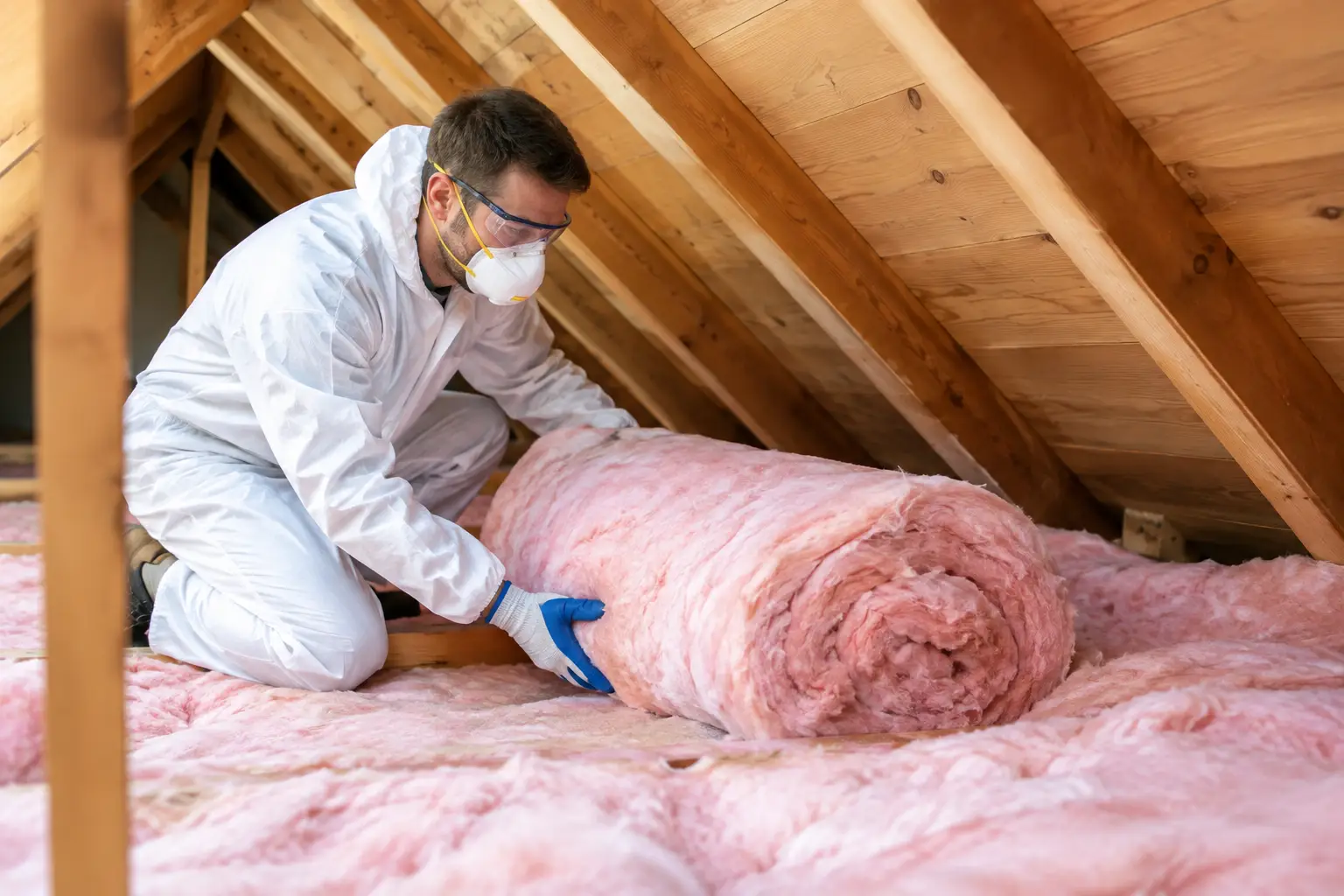
The extent of cleanup depends on how long the animals were inside and how much insulation was affected. In a limited case, targeted sanitation and odor treatment may be enough. In a long-term infestation, insulation removal and replacement may be the safer option, particularly when urine has soaked through or nesting debris is widespread.
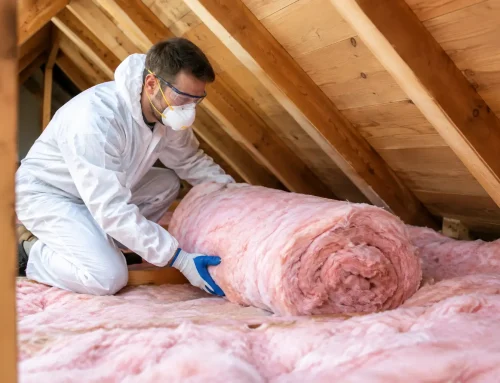
Professional attic restoration can include removal of contaminated material, disinfection, deodorizing, replacement insulation, and repairs to damaged areas. This work restores the space while reducing the chance that lingering odors attract more wildlife.
When to Call a Professional Raccoon Removal Service
Call for help immediately if you hear baby animals, see a raccoon entering or leaving the roofline, notice a sagging ceiling, smell strong urine, or find damage around vents and soffits. Property managers and landlords should act quickly as well. An attic infestation can lead to tenant complaints, code concerns, interior damage, and escalating repair costs if it spreads.
Animal Control NYC & NJ provides 24/7 wildlife response for homes, apartment buildings, commercial properties, and managed facilities. The right service should handle the full process: inspection, humane removal, baby raccoon recovery when necessary, entry-point repairs, attic sanitation, and restoration. Using separate providers for trapping, roofing, and cleanup can delay the work and leave critical gaps in the solution.
Prevent the Next Attic Intrusion
After removal and repairs, inspect your roofline periodically, especially after storms or high winds. Replace damaged vent covers promptly, keep gutters from overflowing onto fascia boards, and address loose soffits before wildlife finds them. Secure outdoor trash, avoid leaving pet food outside overnight, and clean up fallen fruit around the property when possible.
Raccoon prevention is not about making a property perfectly inaccessible. It is about removing the easy, rewarding entry points that make an attic more attractive than the next building. Fast action, humane removal, and durable repairs protect the structure and give the animals a reason to move on without creating a new problem inside your walls.