A few pigeons on a fire escape can turn into a property problem faster than most owners expect. Bird removal NYC service is often needed when nesting material blocks vents, droppings build up on walkways, or birds gain access to roofs, attics, signage, and solar panels. The right response is not simply chasing birds away. It is removing the immediate issue safely, cleaning contaminated areas, and closing the access points that brought them there.
For homeowners, landlords, building managers, and business operators, fast action protects the structure, reduces health concerns, and prevents repeated tenant or customer complaints. Animal Control NYC & NJ provides humane bird control, cleanup, exclusion, and repair for properties across New York City and New Jersey.
When Bird Activity Becomes a Removal Problem
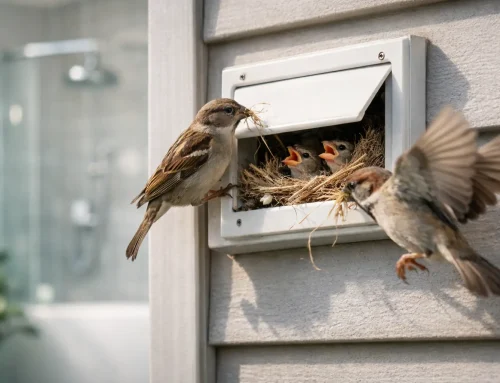
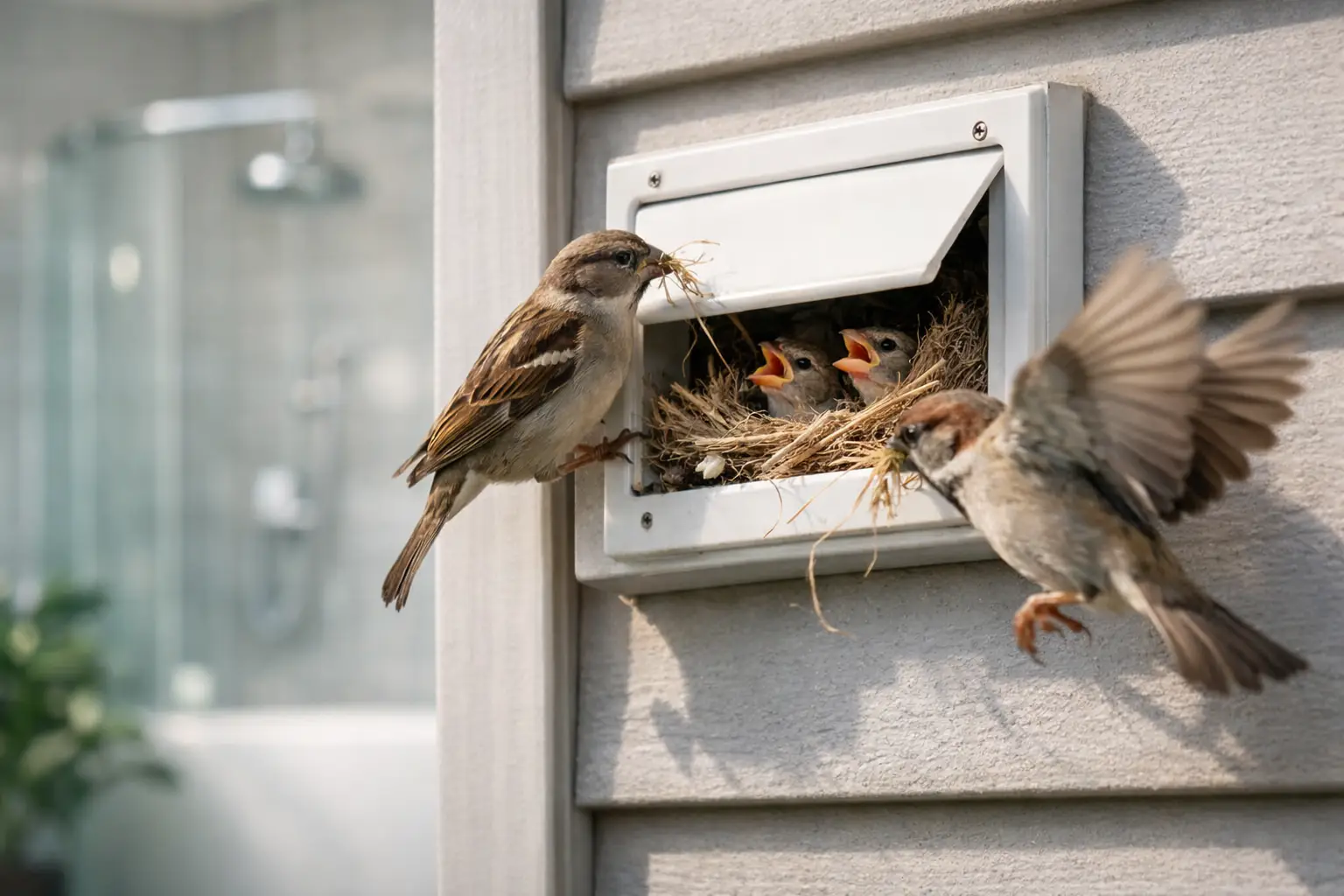
Birds are a normal part of city life, but they should not be living inside or on critical parts of your building. Pigeons commonly gather on ledges, roofs, HVAC equipment, fire escapes, parking structures, and under solar panels. House sparrows and starlings may enter gaps around rooflines, vents, soffits, and siding. In some cases, birds establish nests inside attic spaces or exhaust vents.
The warning signs are usually easy to spot. You may hear fluttering or chirping in a wall or ceiling, find nesting material around a vent opening, notice droppings concentrated beneath a ledge, or see birds returning to the same roof area each day. A strong odor, clogged gutters, damaged insulation, and insects around nesting sites can indicate the problem has been active for longer than it appears.
Droppings are more than an appearance issue. Heavy accumulation can create slippery walkways, stain masonry, corrode metal, and contaminate surfaces near air intakes or food-service areas. Nesting debris can also restrict airflow and create a fire concern when it collects near fans, lighting, or exhaust equipment.
Why DIY Bird Removal Can Make Things Worse
Closing a hole while birds are still inside can trap them in a wall, attic, or vent. Removing a nest without checking the species or nesting status can also create legal and humane problems. Many native birds are protected, especially when an active nest contains eggs or young.
Professional bird control begins with identifying the bird, locating entry points, and determining whether removal can proceed immediately. Pigeons, sparrows, and starlings require a different approach than protected migratory birds. Timing matters. Sometimes exclusion can be completed at once; other times, a technician may need to use a staged plan that protects wildlife while preventing new nesting activity.
Store-bought repellents, plastic owls, and noise devices may provide a short-term change in behavior, but they rarely solve an established roost. Birds that have food, shelter, and a stable nesting location often return once the disturbance stops. A lasting result requires physical exclusion and correction of the conditions that made the site attractive.
Professional Bird Removal NYC Starts With Inspection
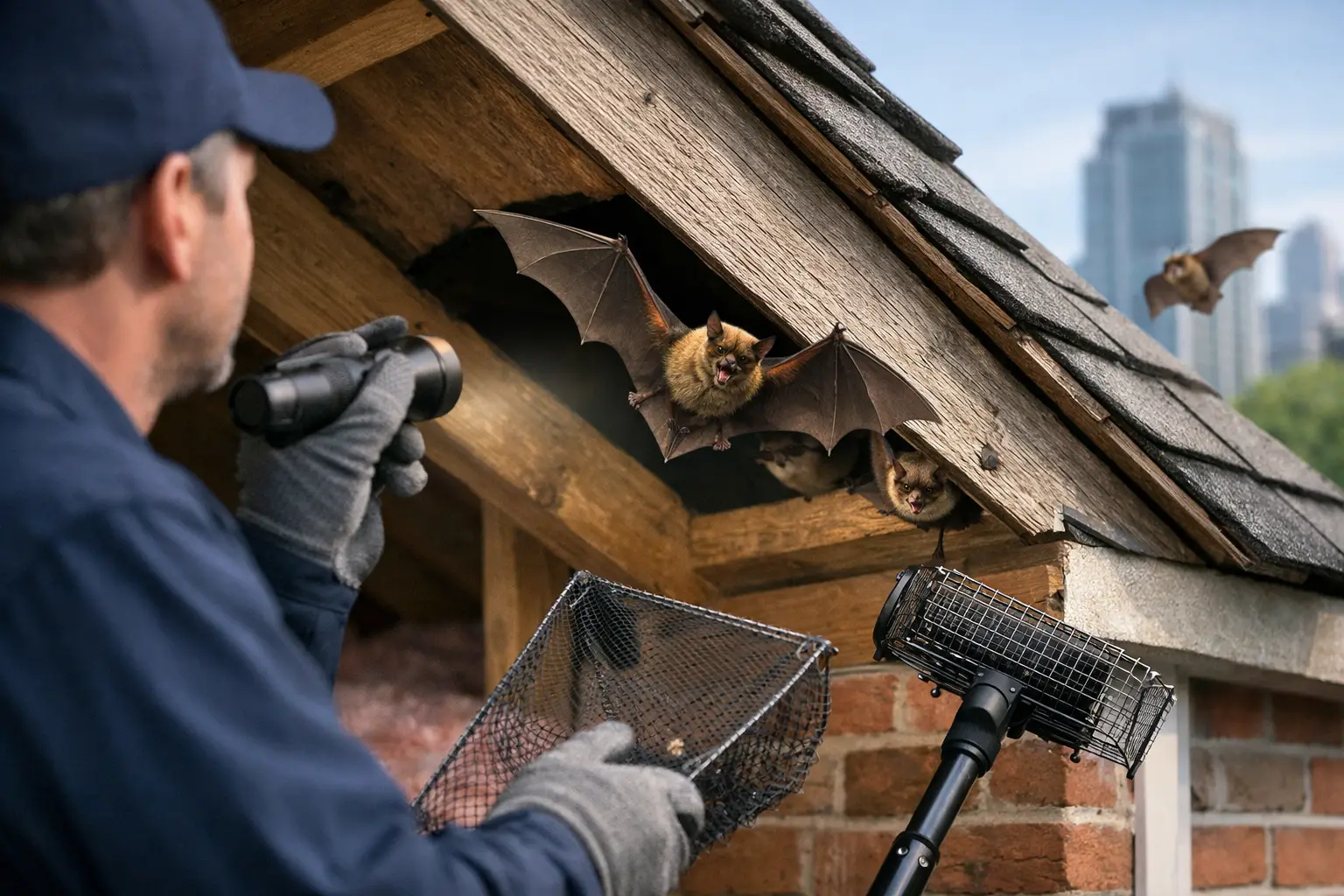
A complete inspection looks beyond the birds you can see. A technician checks roof edges, parapet walls, attic vents, chimneys, soffits, gutters, louvers, signs, loading docks, solar arrays, and mechanical equipment. On multifamily and commercial properties, the inspection should also identify areas where droppings affect tenants, pedestrians, deliveries, or employees.
The goal is to answer three practical questions: where are the birds entering or roosting, what damage or contamination is present, and what will stop them from coming back? This is especially important in NYC, where connected buildings and tight rooflines allow birds to move easily from one structure to another.
For an apartment building, the source may be an open roof vent that also affects upper-floor units. For a restaurant, it may be a recurring pigeon roost above a rear entrance. For a homeowner, it may be nesting under solar panels or birds entering a loose soffit. The treatment should fit the site, not rely on a one-size-fits-all product.
Removal, Cleanup, and Exclusion Work Together
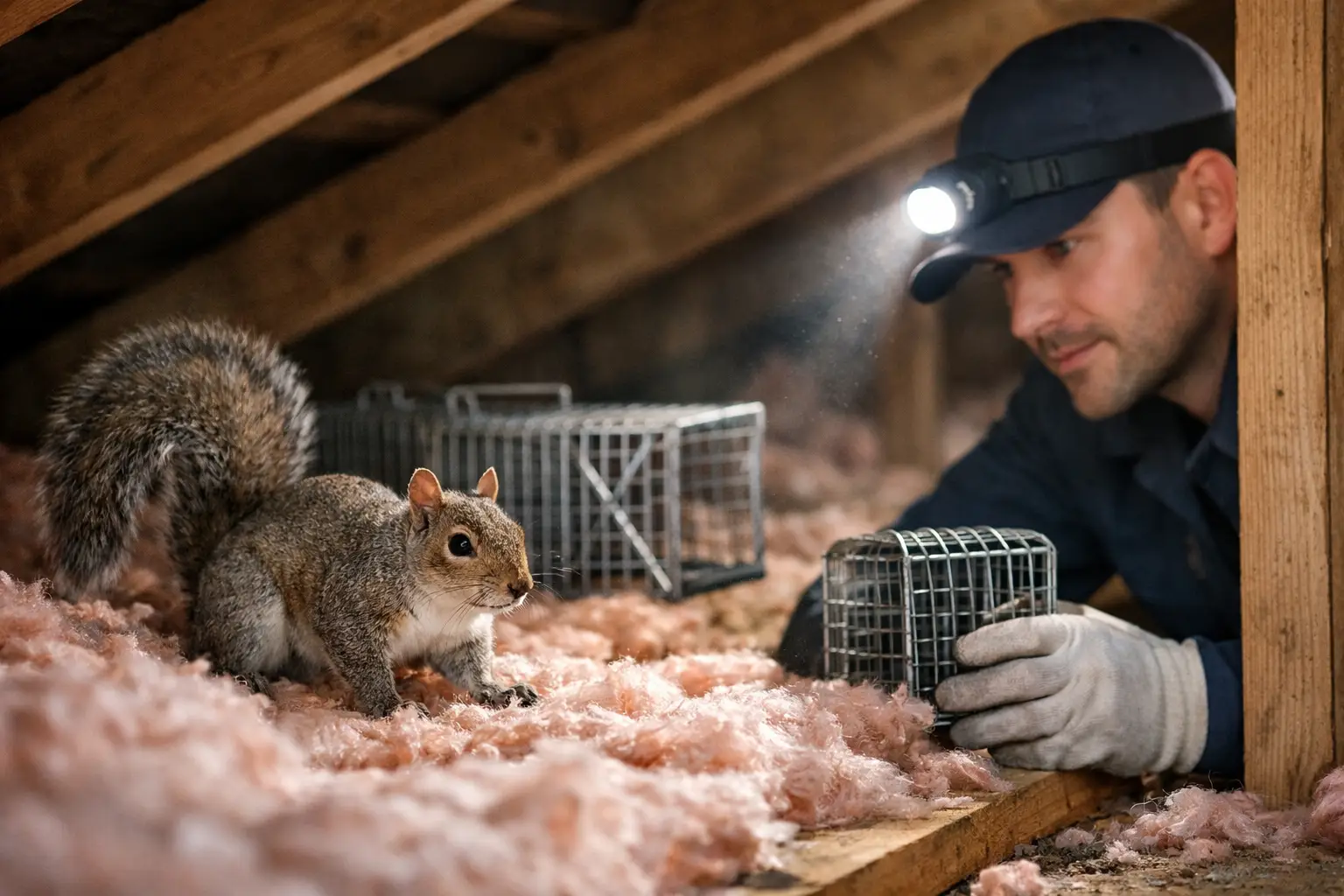
Bird control is most effective when it is handled as a full property recovery service. Removal addresses birds currently inside an attic, vent, or enclosed structure. Cleanup addresses nesting debris, droppings, odor, and contamination. Exclusion prevents the same problem from restarting after the crew leaves.
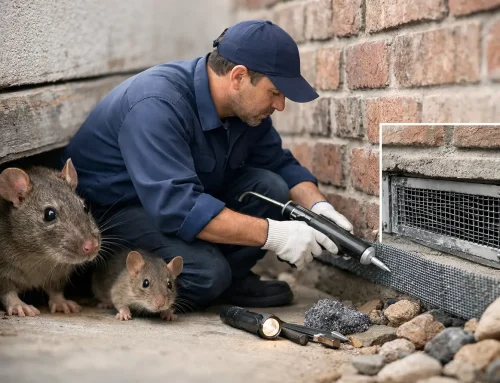
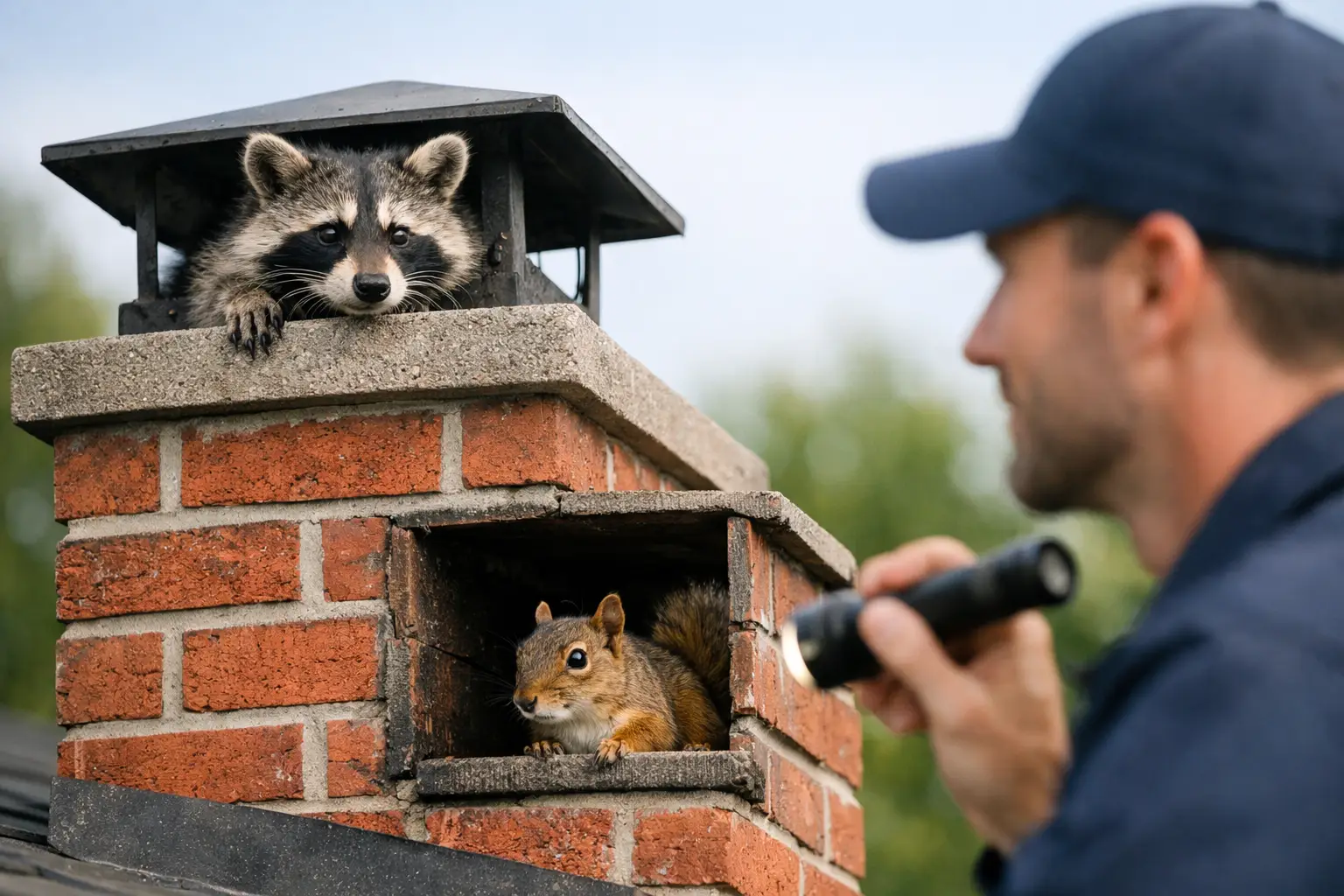
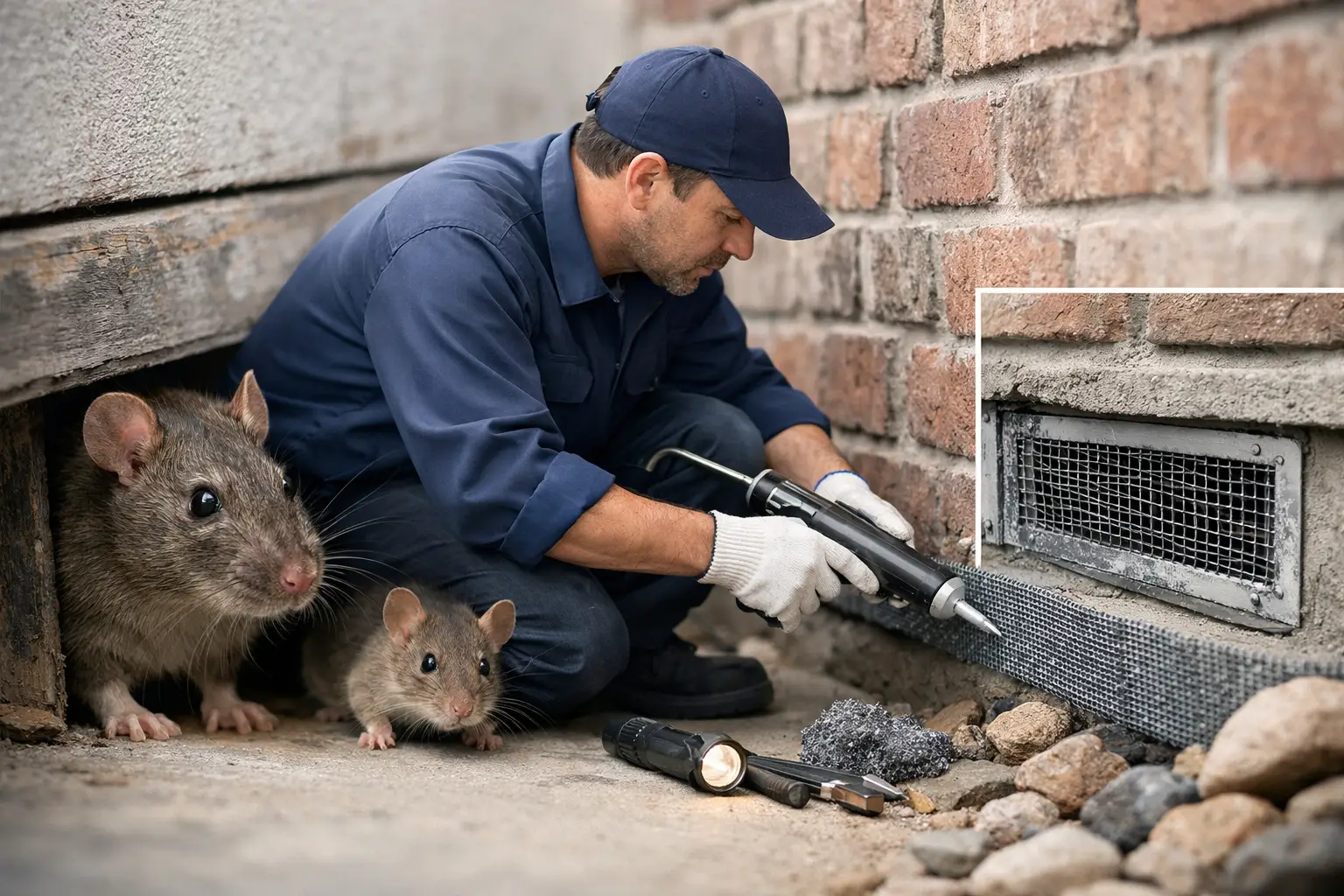
Depending on the location and species, exclusion may involve vent guards, chimney caps, screening, wire mesh, roofline repairs, bird netting, ledge barriers, or solar panel protection. These measures must be installed carefully. Poorly fitted mesh can leave gaps, damage roofing materials, or create new places for debris to collect.
Solar panels deserve special attention. The sheltered gap beneath panels is warm, dry, and difficult for property owners to inspect. Pigeons often nest there, bringing in twigs, leaves, and droppings that can affect drainage and create persistent noise. Proper solar panel animal proofing blocks access around the perimeter without interfering with the panels themselves.
Cleanup Is a Safety Step, Not an Add-On
Once birds and nesting material are removed, affected areas may need professional sanitation. Dry droppings should not be swept or blown around because disturbed debris can spread dust through the area. Technicians use appropriate protective equipment and cleanup methods to remove waste, disinfect surfaces, and address contaminated insulation or building materials when necessary.
Attic restoration may be needed when birds have damaged insulation or left extensive droppings behind. In other cases, gutter cleaning and repair are necessary because nests and feathers have blocked water flow. The scope depends on how long the birds were present and where they were nesting.
Bird Problems on Commercial and Multifamily Properties
Commercial buildings face a different level of exposure. A visible roost near an entrance, storefront, loading area, or outdoor dining space can affect customer confidence immediately. Property managers may also receive repeated complaints about noise, odor, droppings on cars, or birds entering shared vents and rooftop areas.
Fast service matters, but so does a plan that works across the whole property. Treating one ledge while leaving nearby access points open simply moves the birds to another part of the building. A professional approach can prioritize high-traffic areas first while building a longer-term exclusion plan for roofs, façades, utility areas, and neighboring entry points.
For facilities with operating hours, tenant schedules, or public access requirements, bird removal can be coordinated to reduce disruption. That is particularly useful for retail sites, warehouses, schools, healthcare properties, apartment communities, and restaurants.
When to Call for Emergency Bird Control
Some situations should not wait. Call for professional help when birds are inside living or work areas, trapped in a vent or chimney, entering through an attic opening, or causing a safety concern near electrical equipment. Immediate service is also recommended when droppings are creating a slip hazard, blocking an air intake, or accumulating in an area used by customers, tenants, or employees.
If you find a young bird, an active nest, or an injured bird, avoid handling it yourself. Keep pets and children away from the area and have the site assessed. The safest solution depends on the species, the location, and whether the nest is active.
A Better Fix Than Repeated Bird Chasing
The most effective bird removal NYC service does more than make birds leave for a day. It identifies why they chose your property, removes the immediate nesting or roosting issue, cleans up the damage, and protects the structure from future access.
If birds are returning to your roof, vent, attic, solar panels, or commercial exterior, do not wait for contamination and repairs to grow. A quiet roofline, clean entryway, and properly protected building exterior are usually the result of one decision made early: address the access point before the birds make it home.