
Chipmunk Control & Removal in NYC & NJ
Chipmunks may look harmless, but burrows near flower beds, rock walls, patios, sidewalks, lawns, and foundations can create property damage and repeat activity. Animal Control NY/NJ helps inspect the issue, remove chipmunks humanely, and reduce the ways they return.
Chipmunk burrows can undermine landscaping and hardscape areas
A chipmunk problem is usually about access, shelter, and food. The right plan looks at where chipmunks are burrowing, what is attracting them, and how the property can be made less inviting after removal.
Chipmunks can dig along foundation edges, steps, porches, and other protected structural lines.
Plants, bulbs, seeds, mulch, and garden edges can attract repeated digging and tunneling.
Stone walls, borders, and landscaped edges can provide cover for burrow entrances.
Burrowing around paved areas can loosen soil, create settling concerns, and leave visible holes.
Chipmunks can carry fleas, ticks, and other parasites, so direct handling and DIY relocation are not recommended.
If food sources, cover, and burrow access remain, new activity can develop even after individual animals are removed.
We inspect the protected edges chipmunks use
Chipmunks do not need a large opening to create a problem. They commonly use covered landscape edges where they can hide, dig, and move between food and shelter. A useful inspection checks the burrow locations and the property conditions around them.
- Flower beds and mulch
- Lawns and garden edges
- Rock walls and stone borders
- Sidewalk and patio edges
- Foundation lines
- Porches, steps, and decks
- Sheds and detached structures
- Bird seed, nuts, and food sources
Chipmunk control works best when removal and prevention happen together
Inspection
We locate burrows, travel areas, food sources, cover, and property conditions that support chipmunk activity.
Humane removal
The removal plan depends on the activity level, property layout, and safe placement of control methods.
Burrow and access review
We identify problem areas around foundations, gardens, patios, sidewalks, walls, decks, and sheds.
Prevention guidance
We discuss habitat changes, food-source control, and property adjustments that can reduce repeat activity.
What chipmunk problems look like around a property
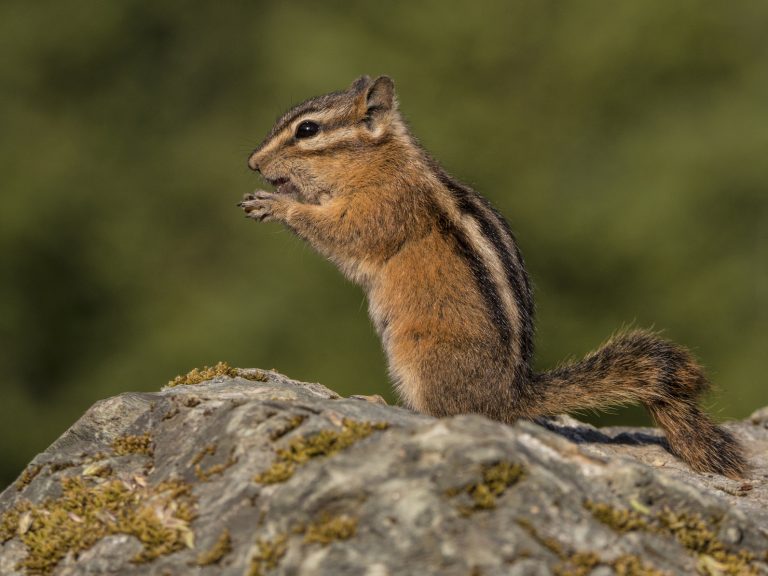
Burrow openings, repeated sightings, and digging around landscaped areas are common signs.
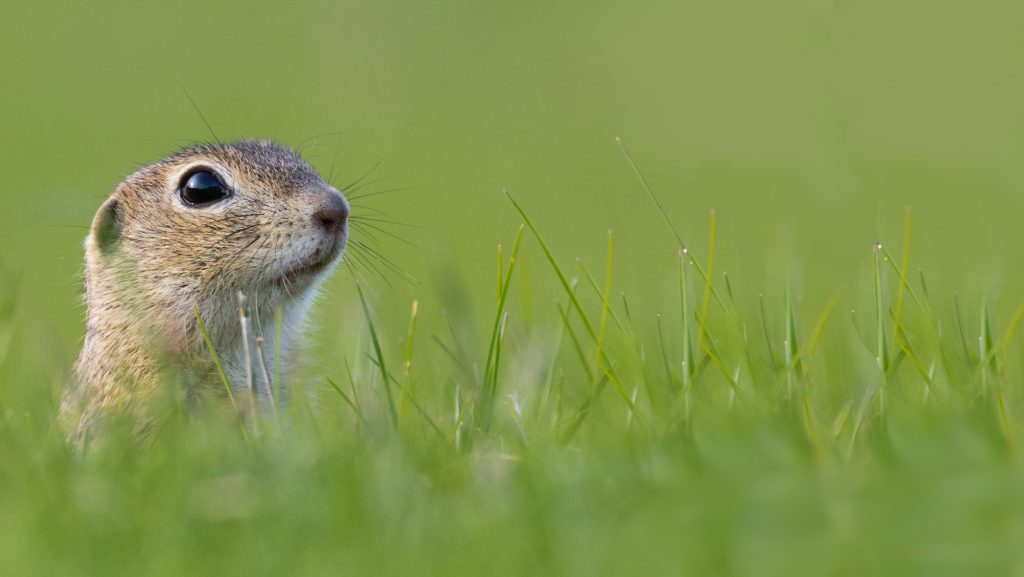
Chipmunks and squirrels often use similar food sources, cover, and property edges.
Do not handle or relocate chipmunks yourself
Chipmunks can carry fleas, ticks, and other parasites, and wildlife relocation rules can vary by location. DIY trapping can also leave the real cause of the problem untouched. A professional inspection helps determine where activity is coming from and what should change after removal.
Chipmunk removal in New York City and New Jersey
Animal Control NY/NJ helps with chipmunk control, humane removal, burrow concerns, garden damage, and prevention-focused service across NYC and New Jersey service areas.
Calls often come from Brooklyn, Queens, Bronx, Manhattan, Staten Island, Long Island City, central New Jersey, Freehold, Wall Township, Marlboro, Manalapan, and shore communities including Belmar, Deal, Long Branch, Sea Bright, Ocean Grove, and Spring Lake.
NYC: 646-741-4333
NJ: 732-387-4135
Related services
Squirrel removal · Groundhog removal · Mice and rat control · Animal damage repair · Wildlife removal FAQ · Contact us
Common questions from property owners
How do I know chipmunks are causing the damage?
Common signs include small burrow openings, repeated sightings near the same landscape edge, digging in flower beds, disturbed mulch, holes near patios or sidewalks, and activity near stone walls or foundations.
Are chipmunks dangerous?
Chipmunks are usually not aggressive, but they can carry fleas, ticks, and other parasites. The bigger concern is often burrowing damage, repeated activity, and improper DIY handling.
Can chipmunks damage a foundation?
Chipmunk burrows can loosen soil around foundations, steps, patios, walkways, and landscape walls. Serious structural damage is not typical from one small burrow, but repeated activity near vulnerable areas should be inspected.
Will trapping solve the chipmunk problem?
Trapping may address active animals, but prevention matters too. Food sources, cover, burrow access, and landscaping conditions can invite new activity if they are not corrected.
Do you help with gardens and flower beds?
Yes. Chipmunk calls often involve gardens, bulbs, seeds, mulch, flower beds, and landscaped borders where chipmunks find food and cover.
Not sure if it is chipmunks, squirrels, or another animal?
Our wildlife removal FAQ and glossary explains common signs, entry points, and service terms for NYC and NJ property owners.
Need chipmunk control or burrow help?
Call with what you are seeing: burrows near a foundation, digging in flower beds, holes around patios or sidewalks, activity near rock walls, or repeated chipmunk sightings around the property.