
Squirrel Removal NYC & NJ | Humane Wildlife Exclusion
Squirrel removal NYC and NJ calls often start with scratching in the attic, roofline, soffit, or walls. Animal Control NY/NJ inspects the entry point, handles the squirrel problem humanely, and helps prevent repeat activity.
Squirrel Removal NYC Calls Often Start With Noise, Chewing, or a Roofline Gap
Squirrels are small, fast, and persistent. The real job is not just getting the animal out. It is finding how they entered, checking for nesting or damage, and closing the right areas after the activity is handled.
Morning or daytime movement, chewing sounds, nesting material, droppings, and insulation disturbance.
Openings near fascia, eaves, gutters, dormers, and roof edges where squirrels chew or squeeze into the structure.
Loose panels, chewed trim, damaged wood, and repeat entry around vulnerable roof edges.
Activity around attic vents, gable vents, wall voids, and construction gaps that create hidden access.
Evidence inside attics or wall areas that can point to an active squirrel issue or an old entry site.
Guidance on insulation damage, sanitation concerns, and exclusion repairs that reduce the chance of return activity.
We inspect the places squirrels actually use
Most squirrel problems are structural. A small roofline gap, lifted soffit, damaged fascia board, or loose vent can be enough for repeated entry. We look for both the obvious opening and the nearby weak points that could become the next opening.
- Attic openings
- Soffit gaps
- Fascia damage
- Roofline gaps
- Gable and attic vents
- Chimney areas
- Wall voids
- Garage, deck, or shed areas
Common Squirrel Removal NYC and New Jersey Calls
A homeowner hears quick movement in the morning. The inspection checks the attic, roof edge, vents, and soffit line before exclusion is planned.
Squirrels are seen running along the gutter and disappearing near a fascia opening. The entry point needs to be handled after activity is cleared.
Loose soffit material gives squirrels a protected entry area. Removal, repair recommendations, and prevention work are all part of the plan.
What we look for during a squirrel inspection
These photos show the kinds of roofline, entry, damage, and repair conditions we inspect on squirrel removal and wildlife exclusion calls.
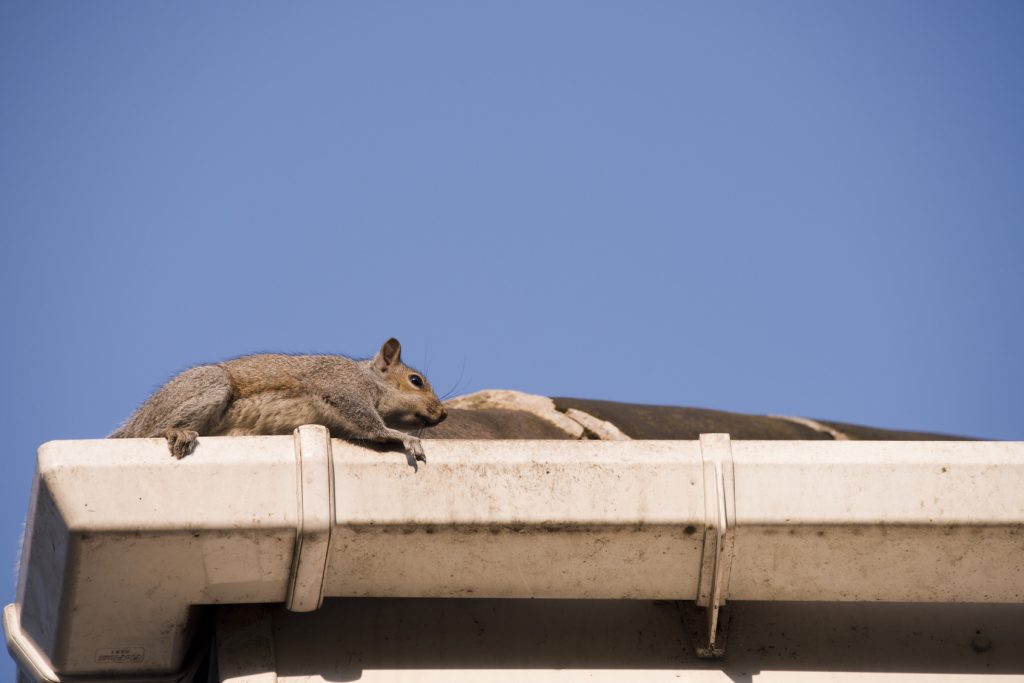
Movement, noise, and visible activity help narrow down the entry area.
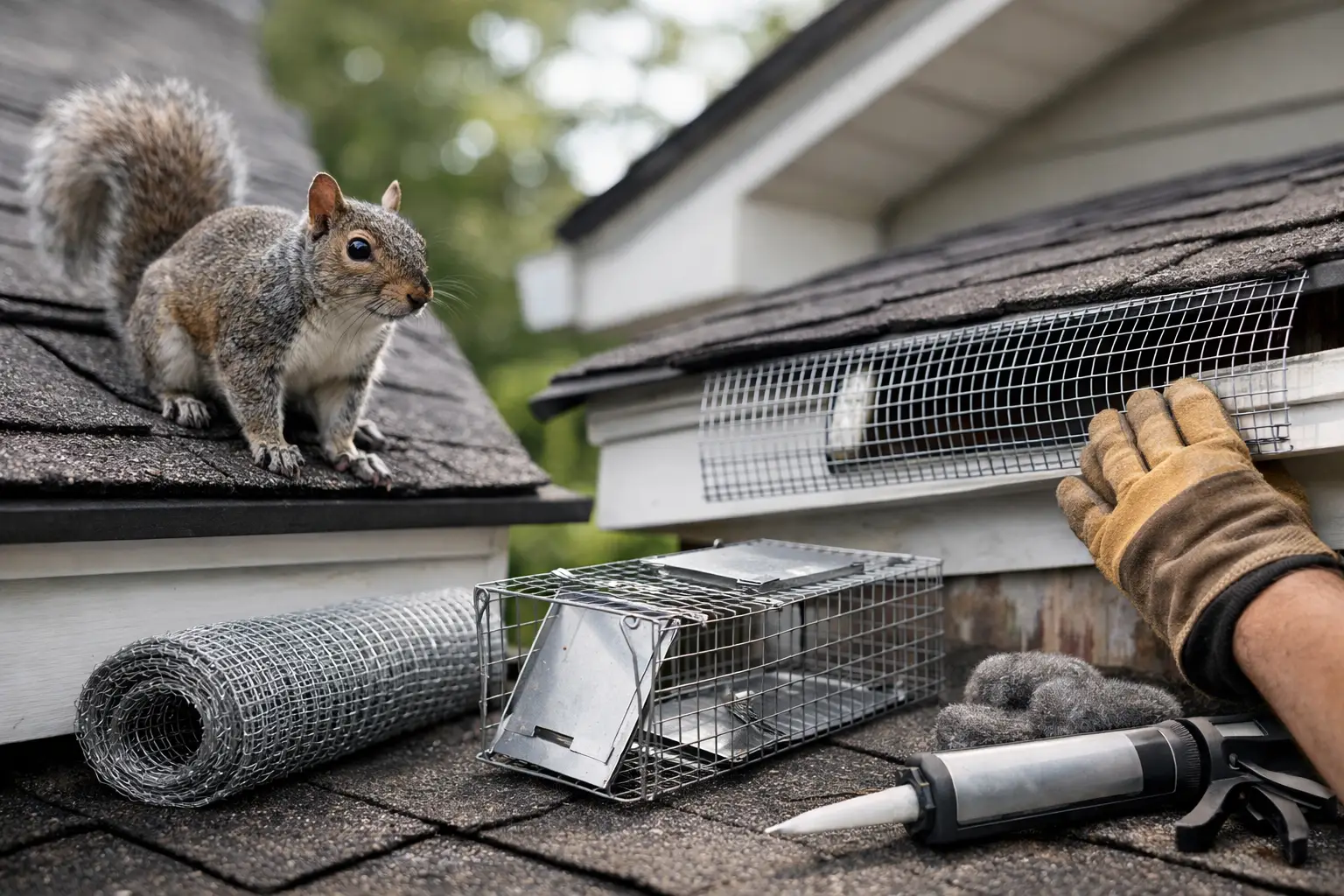
Prevention depends on finding the actual access point and nearby weak spots.
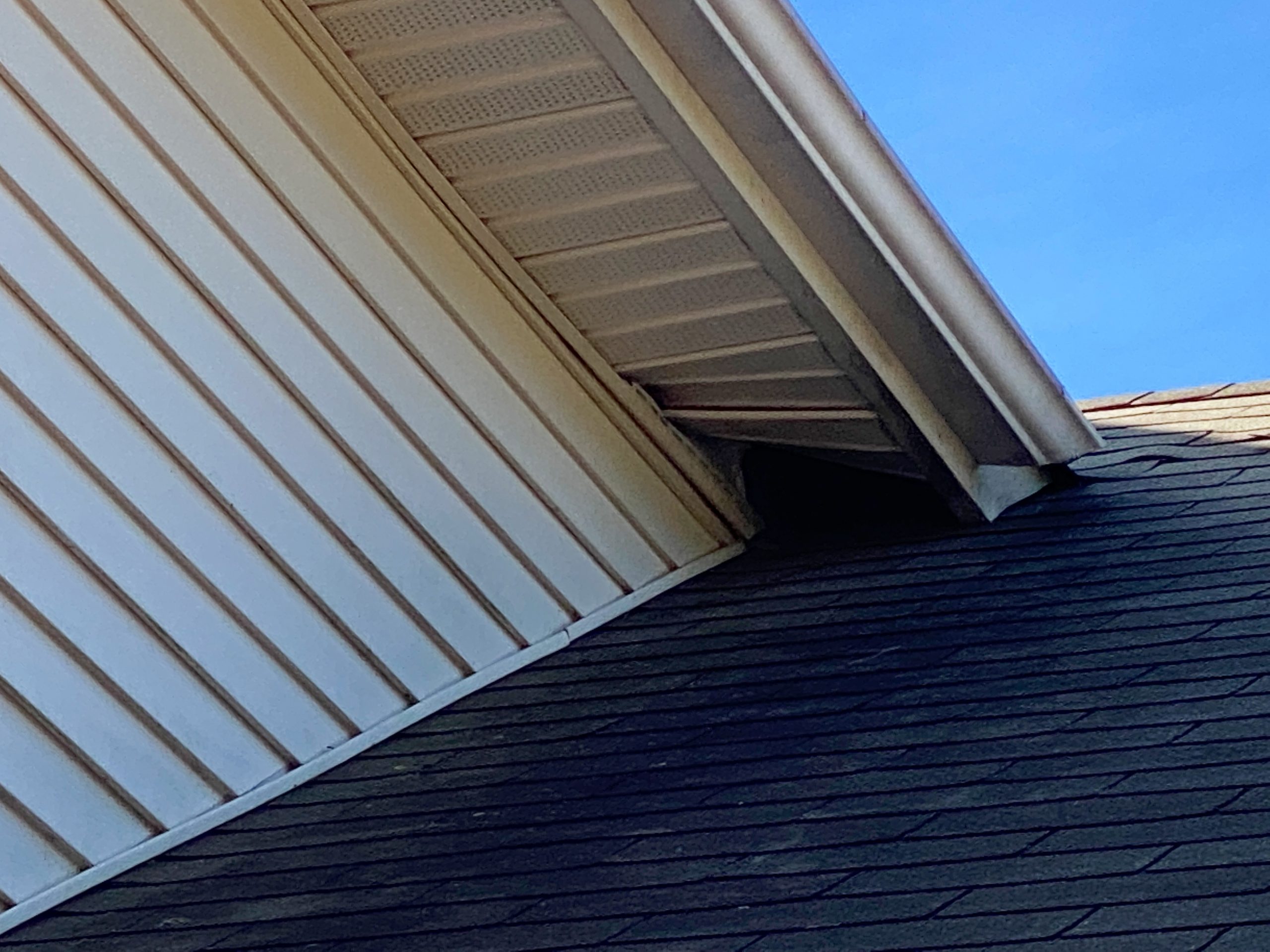
Chewed or damaged openings should be inspected before repair.
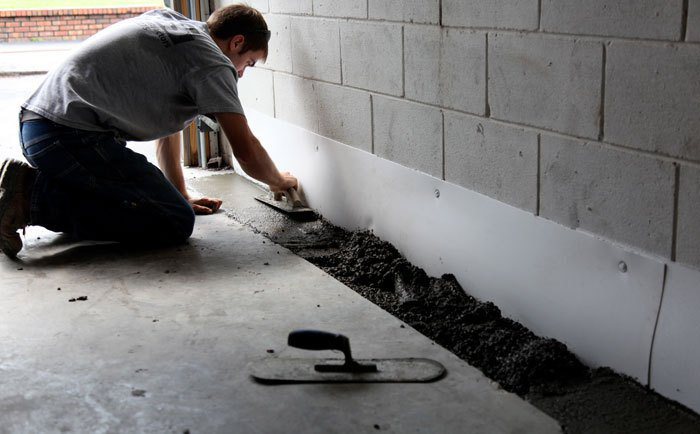
After removal, sealing and prevention work help reduce return activity.
Squirrel Removal NYC Is Handled in the Right Order
Inspection
We look for squirrel activity, roofline access, soffit gaps, vent openings, droppings, nesting signs, and property damage.
Humane removal
The removal plan depends on where the squirrels are entering and whether nesting or babies may be present.
Exclusion or repair
Once activity is handled, entry points and weak areas can be sealed or repaired so the problem does not keep repeating.
Cleanup and prevention
We discuss droppings, odor, insulation disturbance, sanitation concerns, and prevention steps for future activity.
Do Not Seal Too Early During Squirrel Removal NYC Work
Do not close an opening until you know whether squirrels or babies are still inside. Sealing too early can trap wildlife in the structure and create noise, odor, damage, and a more complicated removal problem. The safe sequence is inspection, removal or eviction, then exclusion or repair. For state guidance, see NYSDEC nuisance animal removal guidance.
Clear phone numbers for New York and New Jersey
Animal Control NY/NJ helps with squirrel removal NYC and NJ service, wildlife removal, exclusion, animal damage repair, and prevention-focused service across New York City and New Jersey service areas.
For borough-specific information, see our Staten Island animal control page.
NYC: 646-741-4333
NJ: 732-387-4135
Related services
Common questions from property owners
How do I know squirrels are in my attic?
Common signs include scratching or running sounds during the day, chewing noises near the roofline, droppings, nesting material, insulation disturbance, and squirrels repeatedly entering the same roof or soffit area.
Is squirrel removal part of wildlife removal?
Yes. Squirrel removal is a wildlife removal service. The work can include inspection, humane removal or eviction, exclusion recommendations, animal damage repair, and prevention.
Can I seal the hole myself?
Do not seal the opening until you know whether animals or babies are still inside. Sealing too early can trap squirrels in the building and create odor, noise, damage, and a more complicated removal problem.
Do squirrels use soffits and rooflines?
Yes. Squirrels often use soffit gaps, fascia damage, roofline openings, attic vents, and construction gaps. They can chew and enlarge weak spots over time.
Will squirrels come back if the entry point is not repaired?
They can. If the opening remains accessible, squirrels or other wildlife may return. Exclusion and repair work are important parts of long-term prevention.
Do you help with cleanup after squirrels?
We can discuss cleanup and prevention needs related to droppings, odor, nesting material, and insulation disturbance. The right cleanup plan depends on the condition of the attic or affected area.
Need help identifying the problem?
Our wildlife removal FAQ and glossary explains common signs, entry points, and service terms for NYC and NJ property owners.
Need Squirrel Removal NYC or Wildlife Exclusion Help?
Call for squirrel removal NYC and NJ help with what you are hearing or seeing. We can help you decide the next step for attic noise, roofline entry, soffit damage, vents, chimney areas, and prevention work.