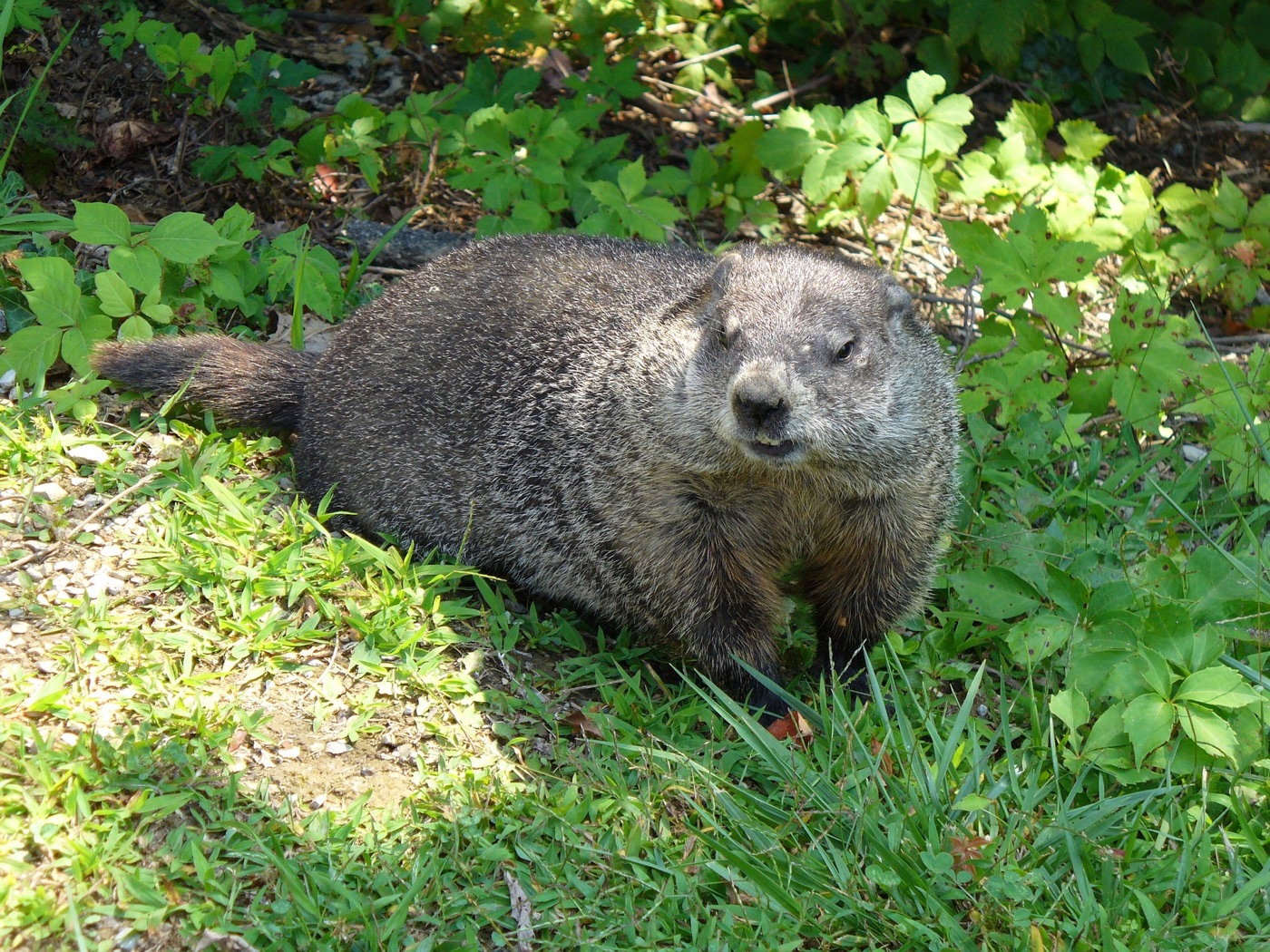
From Holes to Havoc: The Hidden Dangers of Groundhog Damage and How to Repair Them
Groundhogs, also known as woodchucks, may seem harmless and even cute, but their presence can wreak havoc on your property. From digging extensive holes to causing structural damage, these furry creatures can create a range of problems that go beyond mere inconvenience. In this article, we will unveil the hidden dangers of groundhog damage, explore the extent of their destructive behavior, discuss effective strategies to repair the damage and provide tips for preventing future groundhog encounters.
Unveiling the Hidden Dangers: Understanding the Impact of Groundhog Damage
While groundhogs are primarily herbivores, their burrowing habits can have serious consequences for your property. One of the most significant dangers is the potential damage to underground utility lines. According to the Common Ground Alliance, an organization dedicated to preventing damage to underground infrastructure, there were over 532,000 reported cases of utility line damage in the United States in 2020, resulting in costly repairs and service disruptions. Groundhog burrows can weaken the ground above utility lines, increasing the risk of accidental damage.
Furthermore, groundhog burrows can compromise the structural integrity of buildings and other structures. Their extensive tunneling can undermine foundations, patios, and retaining walls, leading to costly repairs. In some cases, the damage can be severe enough to render a structure unsafe for occupancy. According to the National Pest Management Association, groundhog damage costs homeowners millions of dollars each year.
Groundhog burrows also pose a safety hazard for humans and pets. The holes they create can be hidden beneath vegetation or debris, causing unsuspecting individuals to trip and injure themselves. Additionally, groundhog burrows can attract other pests, such as snakes or rodents, which can further exacerbate the damage and pose additional risks to your property.
It is crucial to recognize the hidden dangers of groundhog damage and take appropriate action to protect your property and ensure the safety of those who inhabit it.
From Holes to Havoc: Exploring the Extent of Groundhog Damage
Groundhogs are prolific diggers, capable of creating complex burrow systems that extend several feet underground. These burrows typically have multiple entrances and can span up to 45 feet in length. The extent of groundhog damage can vary depending on factors such as population density, habitat availability, and food sources.
One of the most visible signs of groundhog damage is the presence of large holes in your yard or garden. These holes can be up to a foot in diameter and several feet deep. Groundhogs use these holes as entrances to their burrows and as escape routes when they feel threatened. The constant digging and expansion of their burrows can disrupt the soil, damage plant roots, and create an unsightly landscape.
Moreover, groundhogs are voracious eaters and can cause significant damage to gardens and crops. They have a particular affinity for vegetables, fruits, and ornamental plants. A single groundhog can decimate an entire garden in a short period, leaving homeowners frustrated and facing substantial financial losses.
It is essential to address groundhog damage promptly to prevent further destruction and restore the beauty and functionality of your property.
Repairing the Damage: Effective Strategies to Restore Your Property
Repairing groundhog damage requires a systematic approach that addresses both the immediate and long-term consequences. Here are four effective strategies to restore your property:
1. Filling and leveling holes: Begin by filling the groundhog holes with soil, ensuring it is firmly packed to prevent future collapses. Level the area to restore the aesthetics of your yard or garden.
2. Reinforcing structures: If groundhog burrows have compromised the structural integrity of buildings or other structures, consult with a professional contractor to assess the damage and implement appropriate repairs. This may involve reinforcing foundations, repairing retaining walls, or stabilizing patios.
3. Protecting vegetation: Install fencing or use wire mesh to create barriers around vulnerable plants and gardens. This will deter groundhogs from accessing your vegetation and minimize future damage.
4. Implementing deterrents: Utilize natural or commercial repellents to discourage groundhogs from returning to your property. These can include strong-smelling substances like garlic or predator urine, or devices that emit ultrasonic sounds that are unpleasant to groundhogs.
By following these strategies, you can effectively repair the damage caused by groundhogs and restore your property to its former glory.
Preventing Future Groundhog Encounters: Tips for Long-Term Protection
While repairing the damage is crucial, preventing future groundhog encounters is equally important to ensure long-term protection for your property. Here are four tips to keep groundhogs at bay:
1. Secure entrances: Identify and seal any existing groundhog burrow entrances on your property. Use rocks, wire mesh, or other materials to block access points and discourage their return.
2. Remove attractants: Eliminate potential food sources and shelter that may attract groundhogs. Keep your yard free of fallen fruits, vegetables, and debris that can provide them with easy meals or hiding spots.
3. Install fencing: Surround your property with a sturdy fence that extends at least two feet below ground level to prevent groundhogs from burrowing underneath. Ensure the fence is tall enough to discourage them from climbing over.
4. Maintain landscaping: Regularly trim vegetation and keep your yard well-maintained. Groundhogs are less likely to inhabit areas with limited cover and visibility.
By implementing these preventative measures, you can significantly reduce the likelihood of future groundhog encounters and protect your property from further damage.
In conclusion, groundhog damage can have far-reaching consequences, from compromising underground utility lines to causing structural damage and safety hazards. Understanding the hidden dangers of groundhog damage is the first step toward effective prevention and repair. By promptly addressing the damage, implementing appropriate repairs, and taking preventative measures, you can restore your property and safeguard it from future groundhog encounters. Remember, it is essential to approach groundhog management with care and respect for these creatures’ role in the ecosystem while ensuring the protection of your property.